
Kouskousi Nutrition: Benefits, Tips, and Flavorful Pairings
Kouskousi might be one of those foods you’ve heard of but never really tried. At first glance, it looks like tiny grains, similar to rice or quinoa, but it’s actually a type of pasta made from semolina. What makes it special is its light, fluffy texture and its ability to soak up flavors from sauces, broths, and spices. It’s simple, versatile, and can be the base for countless dishes—from hearty stews to fresh salads or even sweet desserts.
This humble dish has been part of North African kitchens for centuries. Families would gather to make it by hand, rolling semolina into tiny granules and steaming them to perfection. Over time, kouskousi spread across the Mediterranean and beyond, picking up new flavors and techniques in each region it touched. Today, it’s both a traditional staple and a modern convenience, with pre-steamed versions available for quick meals.
What makes kouskousi really stand out is how it blends practicality with culture. It’s not just food—it’s history, hospitality, and community on a plate. In this article, we’ll explore its origins, nutritional benefits, types, cooking methods, and ways you can enjoy it in your own kitchen. By the end, you’ll see why kouskousi has remained a favorite for generations.
What is Kouskousi?
Kouskousi might sound unfamiliar, but it’s closer than you think. You may have seen it labeled as “couscous” at a store or in a restaurant. Technically, kouskousi is a type of tiny, round pasta made from semolina, which comes from durum wheat. Unlike rice or quinoa, each grain is formed by rolling semolina with water, then steaming it to create light, fluffy granules. This process gives it a texture you don’t get from ordinary grains—it’s soft, airy, and slightly chewy, yet firm enough to hold up under sauces or stews.
What makes kouskousi so versatile is that it has a mild taste. On its own, it’s almost neutral, which means it easily absorbs the flavors you cook with. You can toss it in a rich tomato sauce, layer it under a spiced lamb stew, or mix it with olive oil, herbs, and vegetables for a refreshing salad. A pinch of salt or a drizzle of olive oil is enough to enhance the natural flavor.
Cooking kouskousi is simple, and you can choose the method that fits your schedule. The traditional way involves steaming semolina carefully over water or broth. This takes a little patience but results in a fluffy, light texture. For a faster approach, you can use pre-steamed kouskousi and pour hot water over it. In minutes, it’s ready for dinner. Either way, kouskousi becomes a flexible base for countless meals, from comforting bowls to quick weekday salads.
A Short History of Kouskousi
Kouskousi has a story that stretches back centuries, rooted in the kitchens of North Africa. Its earliest makers were Berber communities, who rolled semolina by hand and steamed it over boiling water. Back then, making kouskousi was more than preparing food—it was a social activity. Families gathered to roll and steam the grains, sharing stories and laughter while preparing a meal that would feed the household.
As trade routes opened across the Mediterranean, kouskousi traveled with merchants, travelers, and settlers. Arabs and Moors introduced spices and new cooking techniques, while European influences later brought adaptations that shaped the modern versions we know today. Each culture added its own twist, which is why kouskousi can vary widely between Morocco, Tunisia, and Greece. Some versions use coarser grains, others finer; some are light and aromatic, while others are hearty and filling.
Even today, kouskousi retains this cultural significance. In many households, the preparation is a shared activity. Grandparents pass down the traditional steaming methods to younger generations, teaching patience and care in the process. Eating kouskousi is more than satisfying hunger—it’s connecting with family, preserving a tradition, and honoring a centuries-old culinary heritage. The dish carries stories, values, and techniques that have been handed down, making each bite a small piece of history.
Cultural Importance
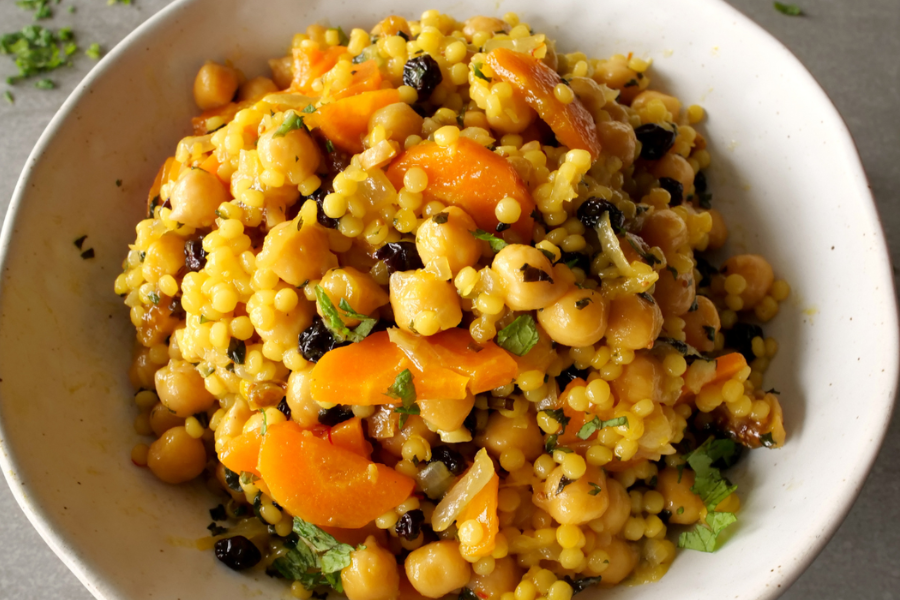
Kouskousi isn’t just food in North Africa—it’s a way to connect with family, friends, and tradition. In many households, it appears at weddings, religious festivals, and major holidays, where a big communal plate is shared. This style of eating encourages conversation, laughter, and a sense of togetherness. Guests are invited to serve themselves, creating a warm, inclusive atmosphere. In these moments, the dish becomes more than a meal—it’s an experience that brings people closer.
Each region has its own approach, adding unique flavors and rituals. In Morocco, kouskousi is often served on Fridays with lamb or chicken, marking a weekly family gathering. Tunisia and Algeria may include rich vegetable stews, spicy sauces, or meat-based dishes during festive occasions. Even outside North Africa, kouskousi maintains this sense of community. Immigrant families often continue the tradition, passing recipes and techniques to younger generations.
Sharing kouskousi also teaches subtle lessons about generosity and hospitality. Because it’s usually prepared in large quantities, there’s enough for everyone, which encourages care for others. Preparing it can also be a collaborative activity. In some homes, rolling and steaming the grains is a task for multiple family members, creating bonding time and a way to preserve cultural knowledge. Eating kouskousi becomes a story in itself—about tradition, family, and the values of sharing.
Types and Variations of Kouskousi
Kouskousi comes in many shapes, sizes, and textures, and each type suits different dishes and flavors. The most common variety is Moroccan kouskousi. These are small, fluffy grains that cook quickly and easily. They absorb sauces well, making them ideal for light stews, vegetable dishes, or fresh salads. Their delicate texture is perfect for dishes where you want a soft, airy base that doesn’t overpower other ingredients.
Israeli or pearl kouskousi is larger and rounder, with a slightly chewy texture. It holds up well in cold dishes like salads, where the grains need to stay separate. It’s also great for incorporating roasted vegetables or beans, making a hearty, vegetarian-friendly meal.
Lebanese kouskousi features bigger grains, often used in slow-cooked dishes. These grains absorb rich broths and flavors from legumes, meats, and vegetables over longer cooking times. Greek-style kouskousi is smaller and resembles tiny pasta shapes. It’s commonly added to soups or thick broths to provide body and texture without overwhelming the dish.
Understanding these variations helps you choose the right type for each recipe. Moroccan kouskousi works best with aromatic spices like cumin and cinnamon. Pearl couscous is excellent for fresh, Mediterranean-style salads. Lebanese versions shine in hearty, slow-cooked meals. Each type offers a unique texture and flavor experience while remaining true to the essence of kouskousi.
Nutritional Value and Health Benefits
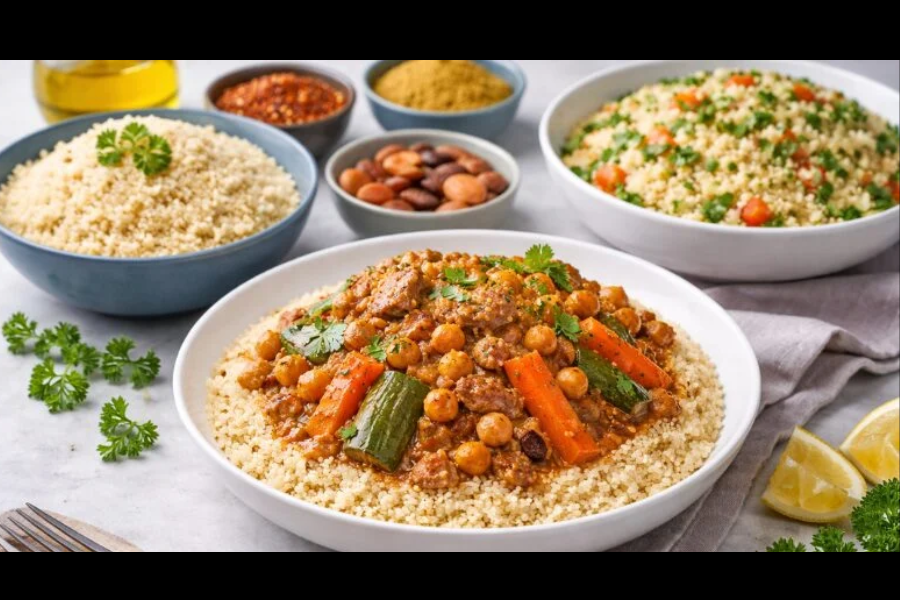
Kouskousi isn’t just tasty—it’s also surprisingly good for you. Made from durum wheat, it’s packed with complex carbohydrates, which provide steady, long-lasting energy. Unlike simple carbs that spike your blood sugar, kouskousi helps you feel full and energized for hours. It also contains a modest amount of protein, which supports muscle repair and overall health. The fiber in whole wheat versions aids digestion and can help keep your stomach comfortable after a meal.
Kouskousi also delivers important vitamins and minerals. It has B-complex vitamins for energy metabolism, iron for blood health, magnesium for muscles and nerves, and selenium for immunity. While these amounts are moderate, they add up when kouskousi is part of a balanced diet. Pairing it with vegetables, legumes, or lean meats makes it even healthier. Chickpeas or lentils boost the protein content, while colorful vegetables like carrots, zucchini, and bell peppers increase fiber, vitamins, and antioxidants. Even a drizzle of olive oil adds healthy fats without weighing the dish down.
Quick Nutritional Table (per 100g cooked)
| Nutrient | Amount | Notes |
|---|---|---|
| Carbohydrates | 77g | Long-lasting energy |
| Protein | 12g | Plant-based |
| Fiber | 5g | Supports digestion |
| Fat | 1g | Very low |
| Minerals | Iron, magnesium, selenium | Varies by recipe |
How to Cook Kouskousi
Cooking kouskousi is easier than many people think, and you have two main approaches depending on your schedule: traditional or modern. The traditional method takes a bit more time but gives you fluffy, perfectly separated grains. Start by mixing semolina with a little water and a pinch of salt until it forms small granules. Then steam it in a special pot or over boiling water, fluffed occasionally to prevent clumping. Repeat the steaming process once or twice until the grains are light and airy. Adding a small amount of olive oil or butter at the end gives extra richness. This method is perfect if you want the full experience and a more authentic texture.
The modern method is much quicker and ideal for weeknights. Simply pour hot water or broth over pre-steamed kouskousi, cover, and let it sit for about five minutes. This approach takes just minutes, but the results are still soft and tasty. In real life, many people use a mix: traditional for special meals, quick-cook for busy days. Either way, kouskousi adapts easily to your lifestyle.
Ways to Serve Kouskousi
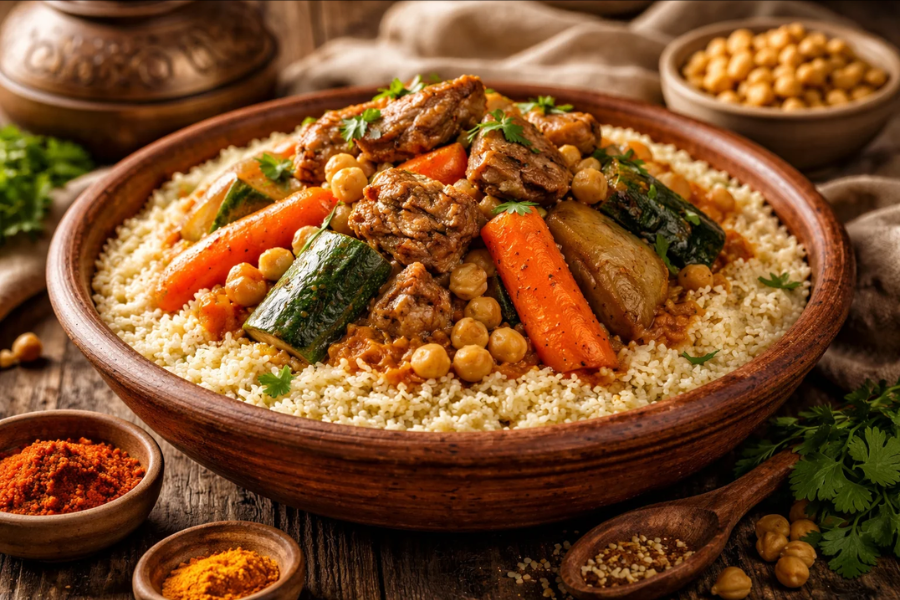
Kouskousi is one of the most flexible foods you can have in your kitchen. Its mild flavor and soft, airy texture make it a perfect base for a wide variety of meals. One classic way is to serve it with stews or meats. In Morocco, for example, kouskousi often comes under a slow-cooked lamb or chicken stew, rich with spices like cumin, cinnamon, and turmeric. The grains soak up the juices, giving every bite a burst of flavor. Vegetarians can enjoy it with hearty vegetable stews, like carrots, zucchini, or chickpeas, for a meal that feels satisfying but not heavy.
Kouskousi is also great in cold dishes, such as salads. Once cooled, the grains hold their shape and mix beautifully with fresh ingredients. Toss it with cherry tomatoes, cucumbers, parsley, lemon juice, and a drizzle of olive oil for a bright, refreshing lunch or side. You can even add nuts, roasted vegetables, or feta cheese to make it more filling.
Sweet versions are another fun option. Some cultures serve kouskousi with dried fruits, almonds, honey, or a sprinkle of cinnamon. It’s quick to prepare and makes a simple dessert or breakfast. Think of kouskousi as a blank canvas—you can make it hearty, light, warm, or cold.
Why Kouskousi is Still Loved Today
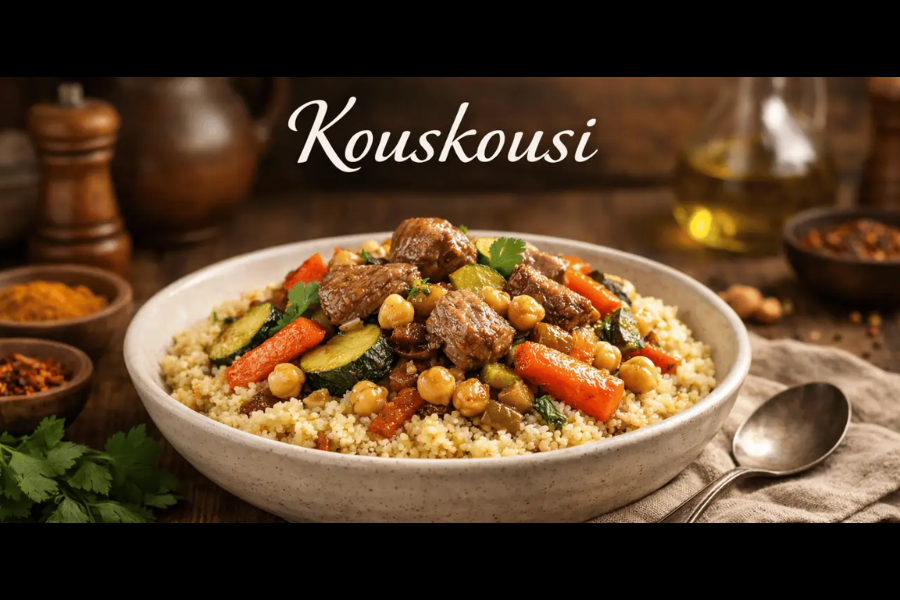
Kouskousi has lasted centuries for a reason. It’s practical, adaptable, and deeply tied to tradition. For one, it’s incredibly easy to cook. Whether you’re using the traditional steaming method or a modern quick-cook version, kouskousi is ready in minutes. It’s affordable, too—just semolina, water, and a few pantry staples can become a filling meal. But beyond convenience, it carries meaning. Sharing a dish of kouskousi at family gatherings or holidays is a centuries-old practice that celebrates community and hospitality.
Its light texture and neutral taste make it perfect for a wide range of flavors. That adaptability is why it works for weeknight dinners, casual lunches, and festive celebrations alike. In today’s busy kitchens, kouskousi fits modern lifestyles while still honoring its cultural roots.
People also love kouskousi because it’s a timeless ingredient. It doesn’t feel trendy or seasonal; it’s a food that can appear on any table, anywhere, and still feel special. Its balance of practicality, taste, and cultural significance makes it a dish that continues to connect generations.
Final Words
Kouskousi is a tiny, fluffy pasta made from semolina, popular across North Africa and the Mediterranean. Its light texture and neutral flavor make it incredibly versatile—it soaks up sauces, spices, and broths beautifully, turning into a base for stews, salads, or even sweet dishes. Traditionally, Berber families rolled and steamed semolina by hand, turning cooking into a social event full of storytelling and shared effort. Over centuries, kouskousi spread across cultures, adapting to local flavors while keeping its cultural roots alive.
Nutritionally, it’s packed with complex carbohydrates for steady energy, a bit of protein, fiber, and essential minerals like iron and magnesium. Pair it with vegetables, legumes, or lean meats for a complete, balanced meal. Cooking is flexible: steam it for a traditional fluffy texture or use pre-steamed grains for a quick, weeknight option. Served hot, cold, savory, or sweet, kouskousi combines convenience, tradition, and flavor, making it a timeless dish that connects generations.
Keep reading Standard Magazine for more stories, insights, and highlights that matter to you.