
Delta Flight DL275 Diverted LAX: What Really Happened Mid-Air
Delta Flight DL275 Diverted LAX wasn’t supposed to make headlines. It was just another long flight over the Pacific. Then something changed mid-air, and the plane diverted to Los Angeles. That one decision turned a routine trip into a widely searched story. People started asking questions right away. Was it dangerous? Did something fail? Why didn’t the flight continue? These questions spread fast because air travel feels personal. When you hear about a flight changing course, you imagine yourself onboard.
The truth is less dramatic, but more important. The diversion shows how modern aviation works. Pilots and airlines act early, not late. They don’t wait for a problem to become serious. They reduce risk before it grows. This story also gained attention because of confusion. Different reports shared different routes and details. That made people even more curious. When facts feel unclear, interest grows.
Trusted platforms like Google Developers often highlight one thing: people want clear, helpful answers. Not hype. Not fear. Just facts explained simply. So that’s what this article does. It breaks down what happened, why it happened, and what it means for you as a traveler.
What Happened on Delta Flight DL275
Flight route and aircraft details
Delta Flight DL275 was a long-haul international flight. It used an Airbus A350, which is one of the most advanced passenger aircraft today. This type of plane is designed for long distances and high efficiency. Airlines trust it for routes that cross oceans and remote regions.
The flight was traveling across the North Pacific. These routes are common but challenging. There are fewer nearby airports, which means crews must plan carefully. Every system on the aircraft matters more in these conditions.
The Airbus A350 is built with multiple backup systems. This means even if one system shows an issue, the aircraft can still operate safely. That’s a key reason why flights like this remain controlled even during unexpected situations.
In real life, aircraft are not like cars. They are monitored constantly. Every engine, sensor, and system is tracked during flight. Pilots and ground teams both watch for anything unusual. This flight started like any other. Passengers boarded, took off, and settled in. Nothing seemed out of the ordinary at first. But during long flights, small issues can appear. That’s exactly what happened here.
When and where the diversion happened

The diversion didn’t happen near land. It occurred over the North Pacific, one of the most remote flight regions in the world. That’s why the crew’s decision mattered even more. At cruising altitude, the aircraft was flying normally. Then the crew detected a system issue. It wasn’t a sudden failure. It was a warning that something might not work as expected.
In aviation, timing is everything. Waiting too long can limit options. Acting early gives more control. That’s why the pilots didn’t delay their decision. They reviewed the situation and contacted support teams on the ground. Together, they chose to divert. This is standard practice in aviation. Pilots are never making these decisions alone.
The aircraft then changed direction toward Los Angeles. This wasn’t the closest airport, but it was the safest choice based on the situation. The flight continued for several hours after the decision. That shows the aircraft remained stable. There was no immediate danger to passengers. Moments like this feel big, but they are handled calmly. Everything follows a process.
Safe landing at LAX
After the diversion decision, the aircraft continued its journey toward Los Angeles. The flight remained stable the entire time. This is an important detail because it shows the situation was controlled from start to finish. Los Angeles International Airport is one of the busiest and best-equipped airports in the world. It can handle large aircraft like the Airbus A350 without any issues. It also has expert maintenance teams ready at all times.
When the plane arrived, emergency services were on standby. This is standard procedure. Even if the risk is low, teams prepare for all possibilities. It’s part of aviation safety culture. The landing itself was smooth. There were no injuries reported. Passengers were able to leave the aircraft safely. After landing, the aircraft was inspected. Engineers checked the reported issue before allowing any further operations. This step ensures that no problem goes unresolved.
For passengers, the experience likely felt stressful. But from an aviation point of view, everything worked as planned. Sources like Search Engine Journal often stress clarity in event reporting. This is a good example of why step-by-step explanations matter.
Why the Flight Diverted to Los Angeles
Reported issue with the engine anti-ice system
The main reason for the diversion was a concern with the engine anti-ice system. This system plays a simple but critical role. It prevents ice from forming inside the engine. At high altitudes, temperatures can drop far below freezing. Moisture in the air can turn into ice quickly. If ice builds up, it can affect airflow and engine performance.
The anti-ice system uses heat to prevent this buildup. When it doesn’t work as expected, it raises concern. Not panic, but concern. In this case, the issue was not a full engine failure. It was a system irregularity. That’s an important difference. The engine was still running, but something wasn’t right. Pilots are trained to treat these signs seriously. Even a small system issue can become bigger over long flights. That’s why they act early. In real life, this is like seeing a warning light in your car. You may still drive, but you don’t ignore it. The crew made a careful decision based on this system alert.
Why LAX was chosen over closer airports
At first, it may seem strange that the flight didn’t land at the nearest airport. But in aviation, the closest option is not always the best one. Los Angeles offers full support for large aircraft. Smaller airports may not provide the same level of support.
Another factor is passenger handling. A major airport can manage hundreds of travelers more easily. Rebooking flights, arranging hotels, and handling luggage all require resources. Pilots also consider weather, runway size, and available services. All these factors matter when choosing where to land.
Here’s a simple way to understand it. If you have a serious issue, you don’t go to the nearest shop. You go where experts can fix it properly. That’s why LAX was chosen. According to Forbes, airline decisions often balance safety, logistics, and long-term impact.
How pilots make diversion decisions
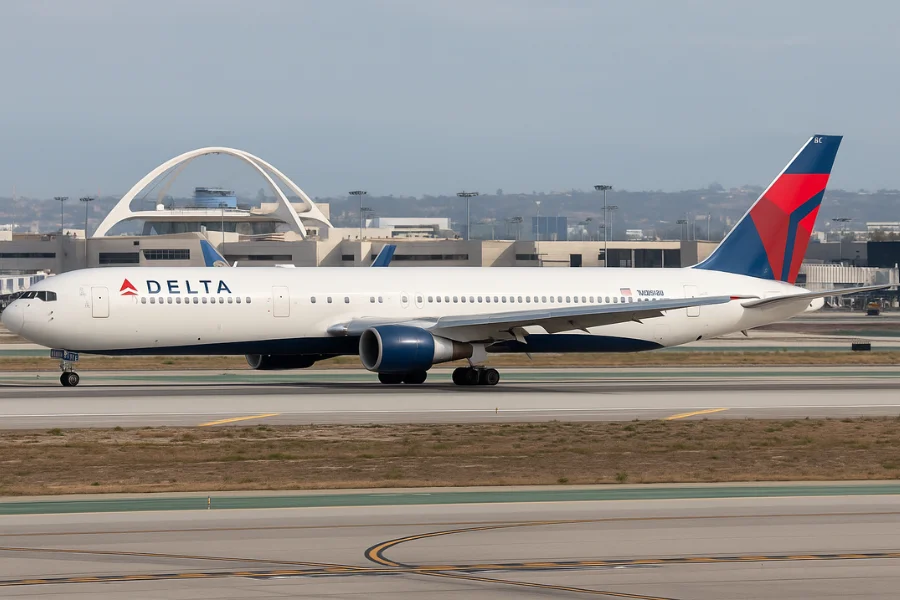
Pilots don’t guess when making decisions. They follow strict procedures. Every airline has detailed guidelines for handling technical issues. When something unusual appears, the crew first checks the system data. Then they contact airline operations teams on the ground. These teams include engineers and flight planners.
Together, they assess the situation. They look at risk, location, fuel, and available airports. Then they choose the safest option. Diversion is one of several possible actions. Others include continuing or returning. The choice depends on the situation.
Pilots are trained to stay calm. They focus on facts, not fear. That’s why passengers often don’t see any panic, even during a diversion. In real life, this teamwork is what keeps flights safe. It’s not just one person making a call. It’s a system working together.
Was This a Serious Safety Risk?
The anti-ice system is critical but not life-threatening if it shows irregularities. Its job is simple: stop ice from forming in the engine, which can affect performance over time.
Modern planes are designed with backup systems. Even if one component shows a problem, other systems maintain stability. The aircraft remained fully controllable throughout the diversion. You can still drive safely, but the alert tells you to check the system. That’s exactly what the pilots did: they acted early to avoid unnecessary risk.
In aviation, there’s a clear distinction between a precaution and an emergency. This case was a precaution. The plane was flying normally, and the pilots had full control. They avoided risk before it grew, showing the importance of early action and safety-first thinking in aviation.
What Passengers Experienced During the Incident
If you were on DL275, the experience would have been unsettling but safe. The crew made calm announcements, explaining enough to keep passengers informed without overwhelming them with technical details. It’s normal to feel anxious during a diversion, especially when you’re over the ocean.
Passengers likely thought about missed connections, delays, or hotel arrangements. Airlines like Delta respond quickly in these situations. After landing, support teams helped with rebooking, meals, and accommodations. This ensures passengers are taken care of even when flights are disrupted.
Social media reactions show a mix of emotions: stress, relief, and sometimes humor. People share their experiences because diversions are unusual. Videos of deplaning at LAX circulated online, not due to danger, but curiosity about the unexpected landing. Despite the delays, every precaution was taken to make the experience as smooth as possible.
How Airlines Handle Situations Like This
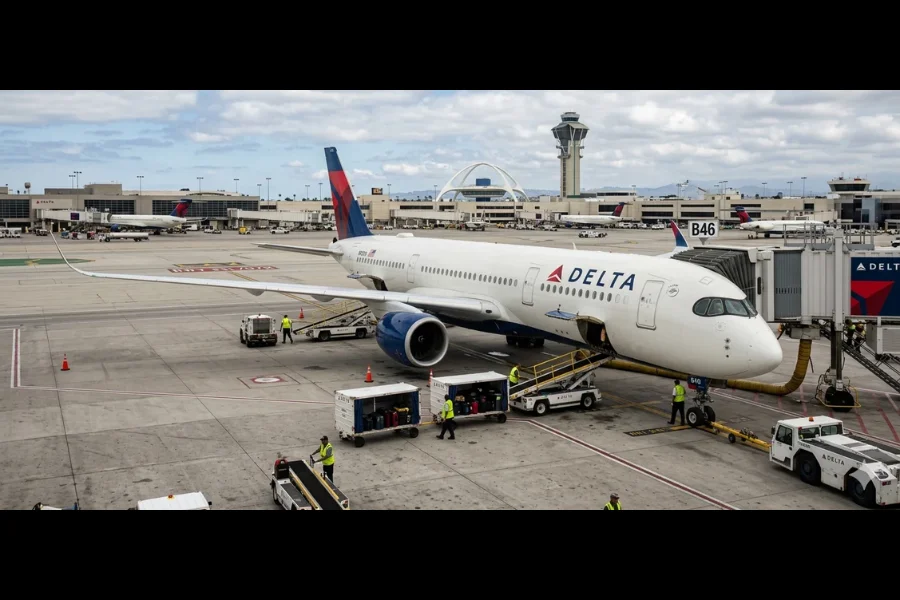
Airlines prepare for diversions every day. When a technical alert occurs, pilots assess the problem and coordinate with ground teams. The decision to divert is carefully considered, balancing safety, airport capability, and operational factors.
Behind the scenes, airline operations teams spring into action. They coordinate aircraft inspection, manage passenger care, and handle flight rescheduling. While diversions are expensive, airlines never compromise safety to save costs. Modern aviation relies on multiple layers of safety: one system alert triggers checks and redundancy, ensuring issues don’t escalate.
Training and protocols ensure that these steps happen quickly and efficiently. Crew communication, ground coordination, and passenger support work together to minimize disruption. Safety remains the guiding principle, even when delays, meals, and accommodations add extra complexity.
Could This Have Been Prevented With Better Technology?
Predictive maintenance is changing how airlines approach safety. Modern aircraft generate terabytes of sensor data on every flight. AI and machine learning can analyze this data to detect potential problems early, including engine performance irregularities. In theory, this might flag an anti-ice system issue before departure.
However, technology isn’t perfect. AI can miss rare problems or give false alerts. Humans are still required to interpret data and make decisions. Think of it like your phone predicting battery life. Sometimes it still dies unexpectedly. Similarly, predictive maintenance helps reduce risk, but it doesn’t guarantee that every technical alert is prevented.
In practice, predictive maintenance is a tool that complements human expertise. It can help airlines reduce unscheduled maintenance and prevent some diversions, but judgment and real-world testing remain critical. Experts agree that technology improves safety, but it’s not a replacement for experienced pilots and crew.
What This Incident Tells Us About Modern Aviation
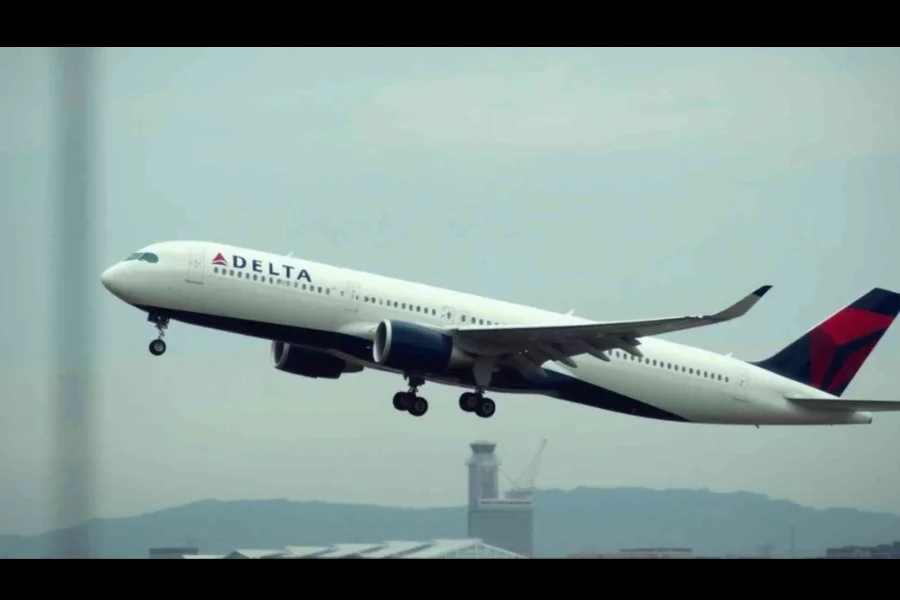
Flight diversions are rare, but when they happen, they reveal how cautious aviation is by design. Millions of flights operate safely every year, and events like DL275 are exceptions that showcase the system working as intended. Pilots act early, airline teams respond efficiently, and passengers remain safe, even if delayed.
For passengers, this is reassuring. Airlines prioritize safety above all else, taking preventative measures before an issue becomes critical. For the industry, each diversion provides valuable lessons. It highlights areas where technology, training, and operations can improve. Small incidents help airlines refine systems, adopt better predictive tools, and update protocols to handle rare events more effectively.
DL275 reminds us that aviation is a safety-first industry. Even when passengers notice unusual flight paths, it often reflects careful planning rather than danger. These events are not about fear—they’re about trust in a complex system that works tirelessly behind the scenes.
Final Words
Delta Flight DL275 diverted to Los Angeles mid-flight after a warning from the engine anti-ice system. While it caught public attention, the situation was a precaution, not an emergency. Modern aircraft like the Airbus A350 have multiple backup systems, and the plane remained fully controllable throughout. Pilots acted early, following strict procedures and coordinating with ground teams to ensure the safest outcome.
Passengers experienced delays and uncertainty, but the crew communicated clearly, and Delta provided support for rebooking, meals, and accommodations. Diversions like this are rare but highlight how airlines balance safety, logistics, and passenger care. Predictive maintenance and advanced monitoring help reduce risks, but human judgment remains essential.
This incident shows that aviation prioritizes caution over convenience. Every system alert is treated seriously, and diversions are part of a safety-first culture. Stories like DL275 reassure travelers that even unusual events are managed professionally, keeping passengers safe from start to finish.
Thanks for reading with Standard Magazine — we’re here to keep you informed, aware, and thinking.