Classroom 30x: Safe Browser Games That Boost Student Skills
If you’ve ever wished school could be a little more fun, you’re not alone. Imagine a place where learning feels like playing a game, where solving puzzles, racing cars, or testing your logic actually makes your brain stronger. That’s exactly what Classroom 30x brings to students and teachers. It’s a web-based platform that mixes learning tools and quick, browser-friendly games in one easy-to-access space. No downloads, no complicated logins, just instant play—and real benefits for your mind.
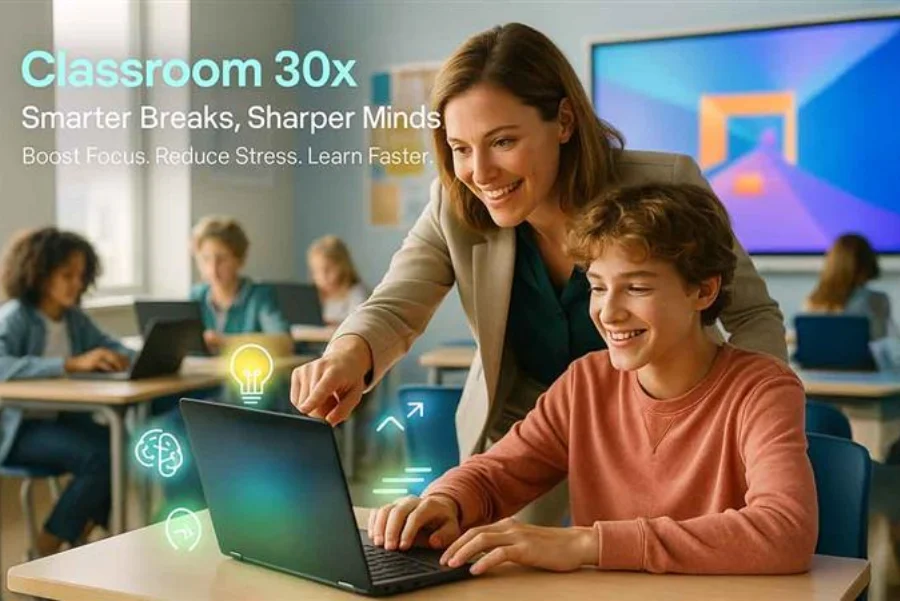
Many students stumble across Classroom 30x when looking for ways to take a short break or sneak in a quick game during free periods. What makes it stand out is that these games aren’t just for fun—they actually help develop important skills. Puzzle games improve problem-solving, racing or action games sharpen reflexes and decision-making, and logic challenges strengthen critical thinking. Even a five-minute session can give your brain a mini workout, making it easier to focus when you return to your lessons.
Teachers notice it too. They can use Classroom 30x to reward students, offer safe brain-boosting breaks, and introduce interactive learning without disrupting classwork. Unlike Google Classroom, which organizes assignments and schedules, Classroom 30x is all about playful learning. It fills a different role: keeping students engaged, curious, and entertained in a safe digital environment.
In this article, we’ll explore exactly what Classroom 30x is, how it works, and why students and teachers love it. You’ll see how games combine with learning, how to access them safely, and even some tips for making the most of your time on the platform. By the end, you’ll understand why Classroom 30x isn’t just another website—it’s a practical, safe, and fun way to learn and play, right from your browser.
What Classroom 30x Is
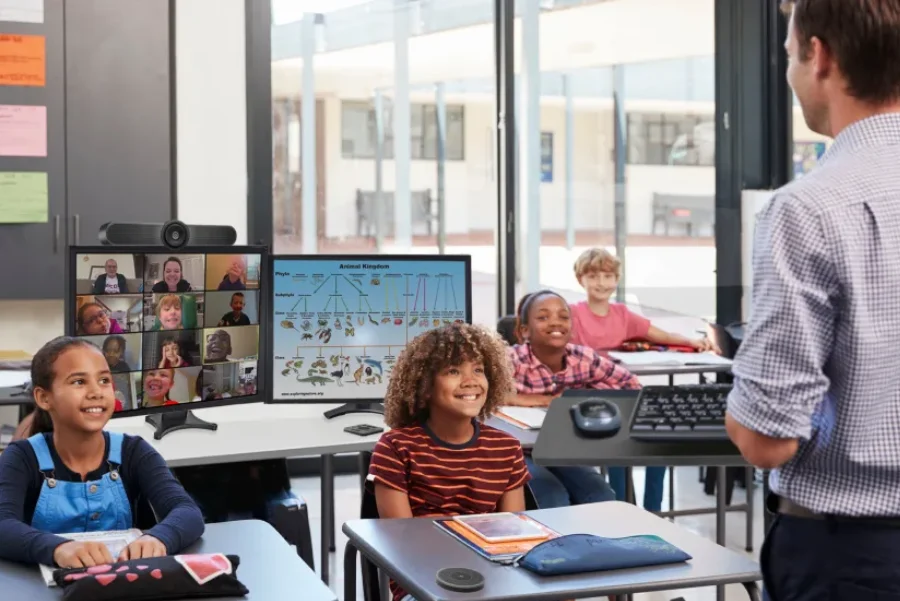
Classroom 30x is a web-based platform that combines learning tools with fun, browser-friendly games. Think of it like a playground for your brain. You can solve puzzles, play logic challenges, or race on virtual tracks—all without installing anything. It works smoothly on Chromebooks, laptops, and even older school computers, which makes it perfect for classrooms and home use alike. Many students discover it while taking short breaks, looking for something engaging yet safe, or trying to play games that won’t slow down their devices.
Unlike Google Classroom, which organizes assignments, homework, and class schedules, Classroom 30x is purely interactive. It doesn’t provide lesson plans or grading tools. Instead, it focuses on playful learning that strengthens skills such as problem-solving, timing, strategic thinking, and hand-eye coordination. Teachers often use it to reward students after completing work, or to give them a quick mental reset between lessons. In practice, this could look like a student finishing a math worksheet and opening Classroom 30x to solve a short puzzle. After just a few minutes, their brain is refreshed, and they can tackle the next lesson with sharper focus.
Another practical example is using Classroom 30x in a group activity. Teachers may have students complete a cooperative challenge in one of the games, helping them practice teamwork and communication while still engaging in play. The platform’s lightweight, browser-based design makes it simple to use without technical complications. Because of this accessibility and flexibility, Classroom 30x has become a favorite for both students and teachers looking to make short breaks productive.
Why Students and Teachers Use It
Students love Classroom 30x because it’s fast, fun, and easy to access. The games are short enough to fit into a quick break, but engaging enough to hold attention. Puzzle and logic games, for example, help develop critical thinking skills, while racing or action games improve hand-eye coordination and quick decision-making. Many students describe playing these games as a “mini workout for the brain.” Even a five-minute session can refresh attention, boost focus, and prepare them for the next lesson.
Teachers also find Classroom 30x useful. They can monitor which games students are playing, ensure content is appropriate, and even use the platform as a reward system. For instance, after completing a group project, a teacher might allow students to play a short game to celebrate their achievement. This keeps students motivated, helps reduce classroom distractions, and gives them a safe way to enjoy technology during the school day. Because the platform is free, loads quickly, and works on almost any device, it’s especially valuable for schools with older computers or limited technology budgets.
There are some misconceptions about Classroom 30x. Some people think it’s just a gaming site or that it’s connected to Google Classroom. In reality, it’s a learning tool that happens to be fun. Students can enjoy games without losing focus on learning objectives, and teachers can feel confident the platform supports engagement rather than distraction. Used thoughtfully, Classroom 30x creates a positive balance where students can learn, play, and refresh their minds safely.
How Classroom 30x Games Work
Most Classroom 30x games run directly in a web browser and are built using HTML5 and JavaScript. This makes them lightweight, fast, and accessible on almost any device. You don’t need to download anything, install apps, or worry about slow setups. That means students can jump right into a puzzle, a racing track, or an action game in seconds. Popular titles like Drive Mad Classroom 30x are designed to load quickly even on older school computers, so there’s no frustrating lag or freezing during play.
The games are created for short, focused sessions. For example, a logic puzzle might take five minutes to solve, while a racing game can be completed in a quick break between lessons. This short-session design helps students refresh their minds without losing focus on schoolwork. Teachers can preview any game before students play to ensure it’s appropriate and safe. Many classrooms use the platform for brief mental resets or as part of reward systems, giving students a fun, productive way to take a break.
| Game Type | Skills Developed | Typical Session Length | Example Game |
|---|---|---|---|
| Puzzle / Logic | Critical thinking, planning | 5–10 minutes | Brain Maze |
| Racing / Action | Reflexes, hand-eye coordination | 5–10 minutes | Drive Mad |
| Strategy / Planning | Problem-solving, decision-making | 10–15 minutes | Castle Builder |
| Memory / Matching | Concentration, focus | 5 minutes | Memory Match |
Gamified Learning in Action
Classroom 30x games do more than entertain—they actively support learning. Puzzle games help students plan ahead, recognize patterns, and solve problems logically. Racing or action games improve reflexes, timing, and quick decision-making. Teachers often use these games as rewards for finishing assignments or demonstrating good behavior. Students earn points, digital badges, or personal bests, keeping them motivated while reinforcing skills quietly in the background.
For instance, a student struggling with logic might repeatedly play a short puzzle game. Over time, their ability to plan moves and anticipate outcomes improves naturally. Meanwhile, the teacher can track progress or encourage specific skills without turning it into formal instruction. This approach makes learning feel like play, keeping students engaged without pressure.
Accessing Classroom 30x Safely
Many schools block certain websites, which is why students often search for “Classroom 30x unblocked.” While these unblocked versions exist, they aren’t all safe. Some sites may have ads, pop-ups, or hidden links that could harm devices or distract students. The safest options are the official Classroom 30x site and games hosted on GitHub. GitHub versions are often ad-free and openly shared by developers, which makes them easier for teachers and parents to trust.
Here’s a quick comparison of the main access methods:
| Access Method | Safety Level | Pros | Cons |
|---|---|---|---|
| Official Classroom 30x | High | Ad-free, trusted, fast | Limited to official content |
| GitHub-hosted versions | High | Transparent, ad-free | Might need guidance |
| “Unblocked” versions | Low | Can bypass school filters | Ads, pop-ups, unsafe links |
| Random search results | Very Low | Easy to find | Potential malware |
Parents and teachers can guide safe usage by checking a site before students play. Look for fast-loading pages, no pop-ups, and games that clearly focus on learning. Encourage children to avoid entering personal information or clicking unfamiliar links. Even a quick test run on a school computer can prevent problems before students start playing on their own.
In practice, a teacher might preview a few puzzle or racing games on Classroom 30x before allowing students to use them. This way, everyone enjoys the fun safely, and no one accidentally visits a risky website. Students can then enjoy games with peace of mind, knowing the platform is secure.
Technical Overview (Simple Version)

Classroom 30x games mostly run on HTML5 and JavaScript. This keeps them lightweight, fast, and compatible with older school devices like Chromebooks or basic laptops. You won’t need special software, and even simple computers can run these games smoothly. Some versions load faster than others because they’re hosted on regional servers or US-based servers, reducing lag and improving the gaming experience.
GitHub-hosted versions are particularly reliable. Developers upload these openly, and they usually don’t contain ads or extra content. This makes them safer and easier to monitor for classroom use. Even though the games are simple, the coding standards behind them ensure they run consistently across different devices and browsers.
For example, a puzzle game built with HTML5 can open instantly on a Chromebook, while a racing game may use a few extra scripts for smoother animations. Both are optimized to work without slowing down older machines. Teachers and IT staff often prefer GitHub versions for their stability and transparency, while students enjoy instant access to fun, brain-boosting games.
Tips for Using Classroom 30x Effectively
To get the most out of Classroom 30x, it’s important to balance playtime with schoolwork. Short sessions—five to ten minutes during breaks—work best. Choose games that align with learning goals. For example, logic puzzles can improve problem-solving skills, while racing games boost reflexes and reaction times. Avoid unsafe sites and don’t let gaming take over homework or lessons.
Here’s a quick reference table for applying these tips:
| Tip | How to Apply It |
|---|---|
| Keep sessions short | 5–10 minutes per break |
| Match games to learning goals | Logic for problem-solving, racing for reflexes |
| Use as reward or mental reset | After homework or group activities |
| Track progress | Record scores, completion times, personal bests |
| Avoid unsafe sites | Stick to official site or GitHub |
Teachers can integrate Classroom 30x as a motivational tool. For instance, students who finish assignments early might play a short game as a reward. Students can also explore the platform independently for fun learning. The key is moderation and structure: tracking how long children play, selecting games that are meaningful, and using them to complement learning rather than replace it.
A real-world approach might involve a teacher setting a timer for five-minute sessions and rotating through educational games. Students can then track their personal bests or problem-solving scores, making play both fun and purposeful.
Selecting the Best Classroom 30x Games to Match Your Learning Goals
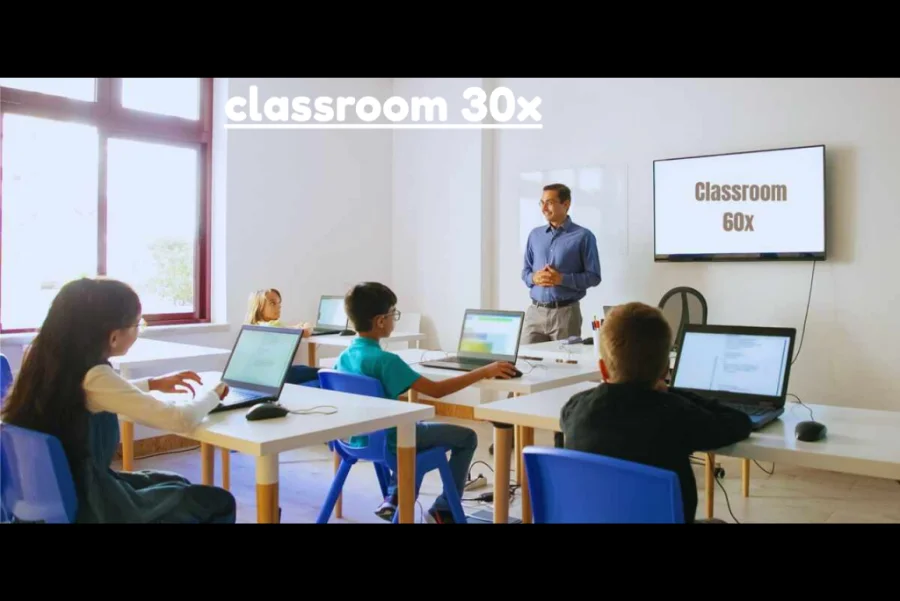
Not all Classroom 30x games are created equal, and choosing the right ones can make a big difference in learning. Some games are pure fun, while others actually help develop skills like logic, timing, or problem-solving.
For students, a puzzle game can improve critical thinking, a racing game can sharpen reflexes, and a strategy game can teach planning. If your goal is to relax, a simple arcade game might be perfect for a short mental break. Teachers can guide students by creating a “game list” that balances fun and skill-building. For example, a teacher might let students play a five-minute logic puzzle after finishing homework, then switch to a reflex-based game for a quick break.
Here’s how it works in real life: a student who struggles with concentration might start with short memory or puzzle games to boost focus. Over time, they can try slightly more complex games, like timing challenges or strategy puzzles, to build additional skills. Students can even set personal goals, such as completing a level without mistakes or finishing a puzzle faster than before.
The important part is to be intentional. Think about what skill you want to practice, how much time you have, and whether the game fits that purpose. By doing this, students get real benefits, and teachers can use games as part of an effective learning strategy.
Common Mistakes to Avoid on Classroom 30x
Even with a safe and structured platform like Classroom 30x, it’s easy to make mistakes that reduce the benefits. One common problem is using unsafe or unverified sites. Not every “unblocked” version is clean—some may have ads, pop-ups, or harmful links. Always check the website first and stick to trusted sources like the official Classroom 30x site or GitHub-hosted games.
Overplaying is another mistake. It’s tempting to spend 20 or 30 minutes on a game, but long sessions can reduce focus and interfere with schoolwork. Short, five-to-ten-minute sessions are best for quick brain boosts. Students should treat games like mini-workouts for their brain: frequent but short sessions improve skills without causing burnout.
Another issue is confusing Classroom 30x with Google Classroom. These platforms serve different purposes. Google Classroom organizes assignments, while Classroom 30x provides interactive games and learning tools. Using one when you expect the other can waste time and create unnecessary frustration.
Finally, distraction is a big risk. Students may start a game and get sidetracked, clicking unrelated links or switching between multiple tabs. To avoid this, teachers can guide students, set timers, or suggest specific games for learning goals. Parents can also help monitor screen time and ensure gaming stays productive.
Using Classroom 30x for Group Activities

Classroom 30x isn’t just for individual play—it works well for group learning too. Teachers can turn games into small-group challenges, letting students collaborate or compete in a friendly way. This approach builds teamwork, communication, and problem-solving skills.
For example, a puzzle game can be turned into a timed group challenge. Students can take turns solving parts of the puzzle, discuss strategies, and celebrate successes together. Racing or reaction games can be played in teams, with students cheering each other on. The social interaction adds motivation and makes learning more memorable.
Group activities also help teachers monitor progress. They can observe which students contribute ideas, work well together, or struggle with specific skills. It’s an easy way to combine fun with informal assessment. Even remote learning works—students can share game screens over video calls or collaborate using GitHub-hosted versions.
In real classrooms, teachers have reported that short group challenges with Classroom 30x improve engagement and reduce behavioral issues. Students are more focused because the activity feels like a shared adventure rather than a solitary task. It also teaches soft skills like collaboration and patience, which are just as important as logic or reflexes.
Tracking Progress and Measuring Learning with Games
Classroom 30x isn’t just for fun—it can help you track progress and build measurable skills. Students can notice improvement by keeping track of game scores, completion times, or levels achieved. Teachers can use this data to understand which skills need more practice.
For instance, if a student plays logic puzzles regularly, you might notice they solve problems faster over a few weeks. Racing games can show improved reflexes or hand-eye coordination. Teachers can even create simple charts or logs to track achievements, providing motivation and a sense of accomplishment. Some Classroom 30x games have built-in scoring, making it easy to see daily progress.
Tracking also helps balance game time with learning goals. Teachers can assign games that target specific skills and check improvement, ensuring playtime contributes to learning rather than just passing time. Students can set personal targets, such as finishing a puzzle faster or earning a certain number of points without mistakes, which turns casual gaming into meaningful practice.
In real life, a student who struggled with concentration might start with five minutes of puzzles per day. By tracking performance, both the teacher and student see tangible improvement over time. This feedback loop encourages persistence and makes learning feel rewarding.
The Future of Classroom 30x and Digital Learning
Digital learning is moving fast, and Classroom 30x fits perfectly into this student-centered approach. It gives learners control over short, meaningful breaks while keeping lessons engaging. Emerging technologies like AI-powered assistants, virtual reality, and interactive platforms may soon add even more ways to play and learn safely.
This platform prepares students for tech-driven classrooms by encouraging critical thinking, independence, and digital literacy. For example, a VR-based game could soon teach physics concepts interactively, while AI tools might suggest personalized games to strengthen specific skills. Even today, Classroom 30x demonstrates that learning and fun don’t have to be separate. Students gain skills while enjoying short gaming sessions, and teachers get a tool that supports engagement without disrupting lessons.
In short, Classroom 30x represents a shift toward education that’s flexible, interactive, and playful. By embracing digital tools like this, classrooms can create experiences that are effective, safe, and enjoyable—helping students stay curious and motivated.
Final Words
Classroom 30x is a web-based platform that turns learning into play. Students can solve puzzles, tackle logic challenges, or race on virtual tracks—right in their browser, no downloads required. Unlike Google Classroom, which organizes assignments, Classroom 30x focuses on skill-building and fun. Short, engaging sessions improve critical thinking, reflexes, hand-eye coordination, and problem-solving, making even five minutes a “mini workout for the brain.”
Teachers use it to reward students, offer safe mental breaks, or facilitate group challenges that encourage teamwork and communication. Parents and educators can ensure safe usage by sticking to the official site or GitHub-hosted versions, avoiding ads or unsafe links.
By tracking scores, completion times, and personal bests, students can measure progress while enjoying the games. Classroom 30x blends learning, engagement, and digital literacy, creating a safe, interactive space where education meets entertainment—helping students stay focused, motivated, and curious in today’s tech-driven classrooms.
Come back to Standard Magazine for more real stories and fresh insights.