
Lee Burkhill Plant Secrets for Low-Maintenance Beautiful Gardens
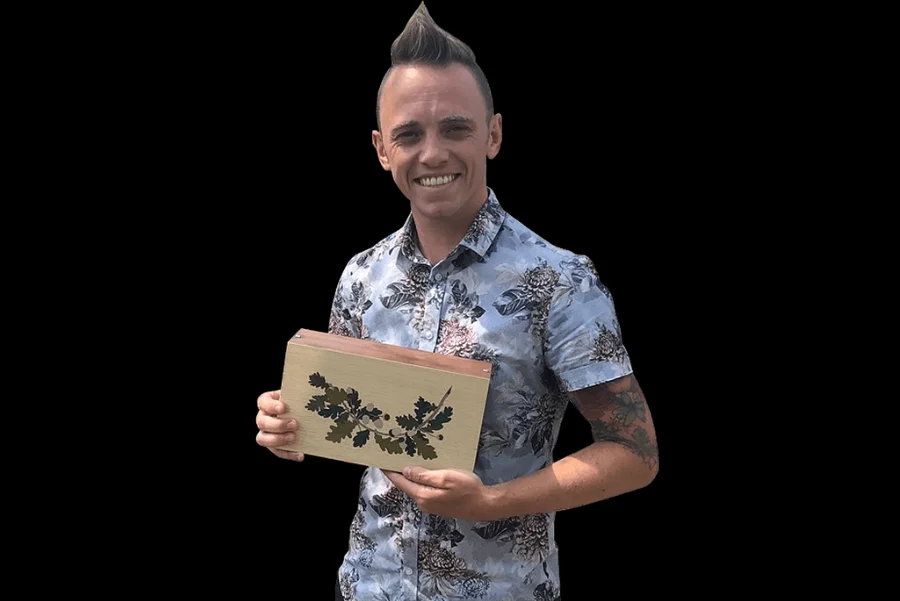
Lee Burkhill is a garden designer and TV presenter. Many people know him from Garden Rescue on BBC One. He is also known as the Garden Ninja online. His advice comes from real gardens, not theory.
He did not start in gardening as a full-time career. He first worked in IT. Gardening was a hobby at first. Over time, it became his main work. That shift matters because his ideas come from real-life trial and error, not classroom notes.
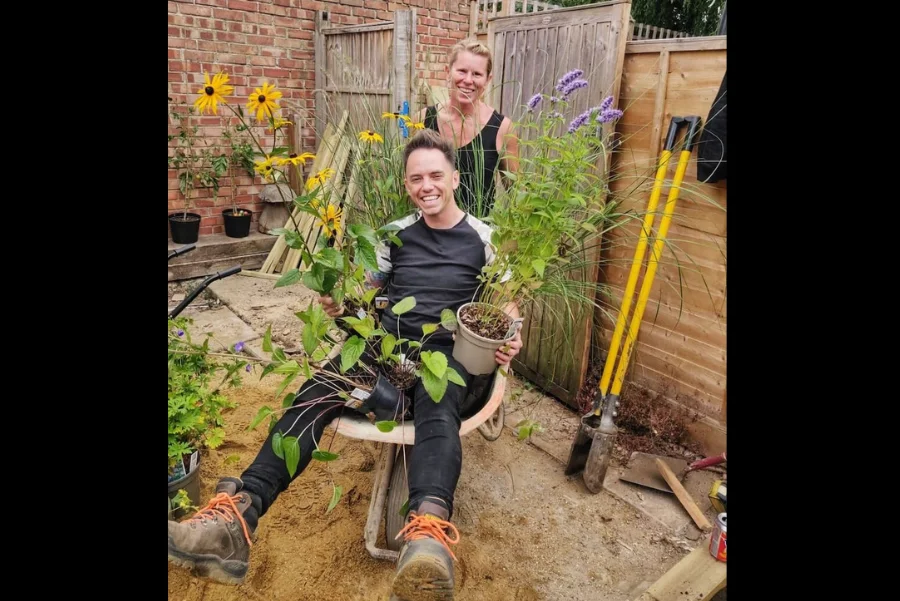
He has worked on many urban gardens. These spaces often come with limits. Small areas, tricky soil, and busy owners. So his plant choices are always practical first. From hobby gardener to Garden Rescue expert
Lee’s journey started in childhood gardens. He helped family members grow plants. Later, he used gardening as stress relief during hard times. That personal link shaped his style.
A big turning point came when he trained in horticulture. He also worked on design projects. Soon after, TV work followed. This mix of experience gave him a grounded approach.
He still treats his own garden like a testing space. He tries plants there first. If they fail, he learns why. If they succeed, they go into client gardens.
Why his plant-first design style matters
Lee always starts with plants before layouts. Many designers do the opposite. They draw paths and structures first. Then they fill gaps with plants. Lee flips that idea. He studies soil, sun, and space first. Then he chooses plants that will thrive there.
This matters because it avoids forcing plants into bad spots. It also reduces maintenance later. In real gardens, this means fewer failures. Plants look better for longer. And gardeners feel more confident.
What Makes Rudbeckia a Standout Garden Plant
| Feature | Details |
|---|---|
| Botanical Name | Rudbeckia |
| Common Name | Black-Eyed Susan |
| Plant Type | Perennial Flower |
| Height | 60–120 cm (approx.) |
| Spread | 45–60 cm |
| Sunlight | Full Sun |
| Soil Type | Well-drained Soil |
| Flowering Season | Mid-Summer to Early Autumn |
| Maintenance Level | Low |
Rudbeckia is one of those plants that instantly adds life to a garden. Its golden yellow and warm orange tones are bold but not harsh. When you see it in a border, it naturally pulls your eye in. This is why many gardeners use it as a “colour anchor” in summer planting schemes.
It also plays a very practical role in garden design. Many plants peak in early summer and start fading by August. Rudbeckia does the opposite. It becomes stronger when other plants slow down. This late-season performance is exactly what makes it so valuable in real gardens. Instead of leaving empty patches, it keeps borders looking full and active.
Another reason Rudbeckia stands out is its flexibility. It does not belong to just one garden style. You can find it in cottage gardens, prairie-style planting, wildlife gardens, and even modern minimal borders. It adapts well to different design ideas without feeling out of place. This kind of adaptability is one reason designers like Lee Burkhill often include it in real projects.
Long flowering season that keeps gardens bright
One of the biggest strengths of Rudbeckia is its long flowering period. In most gardens, it starts blooming in mid to late summer. With the right conditions, it can continue well into early autumn. This long display is not just a bonus—it solves a real problem in garden planning.
Many flowering plants give a short burst of colour and then fade. That often leaves gaps in borders during late summer when gardens still need visual interest. Rudbeckia fills that gap naturally. It keeps producing fresh blooms without needing constant replacement or replanting. This makes it especially useful for gardeners who want consistent colour with minimal effort.
In practical terms, this means your garden does not suddenly feel “empty” in August or September. Instead, Rudbeckia keeps borders active and balanced. It also works well in mixed planting schemes where different flowering times are important. You can layer it with earlier bloomers to maintain a steady flow of colour.
However, timing care matters. One common mistake is cutting it back too early after the first blooms fade. This reduces its flowering period. If you leave it to complete its natural cycle, you get a much longer display and better visual value.
Strong performance in poor or free-draining soil
Rudbeckia is known for handling difficult soil conditions better than many other flowering plants. It grows well in free-draining soil where water does not stay for long. It also performs in less fertile ground, which is common in new or recently built gardens.
This is important because many gardeners struggle with soil quality. Urban gardens often have compacted or dry soil left behind after construction work. In these conditions, some plants struggle to establish. Rudbeckia, however, adapts more easily and continues to grow without needing heavy soil improvement.
This does not mean it thrives in completely neglected soil. It still benefits from some organic matter mixed into the ground. But compared to more sensitive plants, it is far more forgiving. This reduces the need for constant soil correction or expensive improvements.
In real gardening situations, this makes planning easier. Instead of redesigning the soil completely, you can work with what you have and let Rudbeckia adjust. This is especially useful in low-maintenance gardens where time and effort are limited.
One thing to avoid is overly dry soil for long periods. While it tolerates short dry spells, extreme dryness can reduce flower quality and shorten blooming time.
Why it works in both small and large gardens
Rudbeckia is also valued for how well it fits into different garden sizes. In small gardens, it provides strong visual impact without taking up too much space. Its upright growth habit means it does not spread aggressively, so it stays manageable in compact areas.
In larger gardens, Rudbeckia plays a different role. It works best when planted in groups or repeated patterns. This creates rhythm and flow across wider borders. Instead of appearing as a single accent plant, it becomes part of a bigger planting structure that ties the garden together.
This flexibility is useful in real design work. Small gardens need plants that do not overwhelm the space. Large gardens need plants that can be repeated without losing impact. Rudbeckia manages both roles quite well, which is why it often appears in professional planting schemes.
However, spacing matters. If planted too far apart, it can look isolated and weak. If planted too close, airflow reduces and stems may become unstable. Finding the right balance is key to getting the best results.
The “Survival Factor” That Makes Rudbeckia So Reliable
Rudbeckia has a strong “survival feel” in real gardens. Once it settles into the soil, it tends to hold its own without much help. You notice it most in late summer when other plants start looking tired. It still stands upright and keeps its colour.
This reliability is what makes gardeners trust it. You don’t feel like you need to constantly check on it or fix problems. It does not demand daily attention. Instead, it quietly grows and flowers in the background. For busy gardeners, this kind of plant feels like a relief.
Designers like Lee Burkhill often value plants like this. In real garden projects, not every plant gets perfect care. Some get too much water. Some get ignored. Rudbeckia handles this variation well. That makes it a safe choice in mixed, real-world conditions where control is limited.
Heat, sun, and drought tolerance in real gardens
Rudbeckia performs best in full sun. That is where you see its strongest growth and brightest flowers. In sunny spots, it builds strong stems and produces steady blooms. It also handles heat better than many common border plants.
During hot summer periods, many plants start to droop or stop flowering. Rudbeckia usually keeps going. It does slow down a little in extreme heat, but it does not collapse easily. This makes it useful for long, dry summers where water use is limited.
It is not a true drought-proof plant, especially when young. New plants still need regular watering until roots establish. But once settled, it manages short dry spells without major stress. This is helpful in real gardens where watering is not always consistent.
Shade is the main problem. In low light, Rudbeckia becomes weak and thin. Flowers reduce, and stems stretch toward the light. This is why placement matters more than feeding or care.
Low maintenance needs for busy gardeners
Rudbeckia is a low-effort plant once established. It does not need regular feeding or complicated care routines. Many gardeners like it because it fits into a “plant and enjoy” style of gardening. Pruning is simple. You do not need detailed shaping or frequent cutting. Most of the time, you only cut it back at the end of the season. That alone is enough to keep it healthy for the next year.
Deadheading can help extend flowering slightly. This means removing faded flowers. But even if you skip this step, the plant still performs well. It does not punish you for missing small tasks. One common issue is over-care. Some gardeners water too often or feed too much. This can actually reduce strength. Rudbeckia often performs better when left in a more natural rhythm. This makes it ideal for busy people, new gardeners, or low-maintenance gardens. It removes pressure instead of adding it.
Common mistakes that reduce flowering success
Even though Rudbeckia is easy to grow, small mistakes can reduce its performance. One of the biggest issues is overwatering. Too much water weakens roots and leads to softer growth. This can reduce flower strength and shorten the blooming period.
Another common mistake is planting in heavy shade. Without enough sunlight, the plant becomes weak and produces fewer flowers. Stems may also stretch and fall over more easily. Light is more important than feeding or soil in most cases.
Crowding is also a problem. When plants are too close together, airflow drops. This can make stems weaker and increase the chance of flopping. It also reduces the overall shape of the plant in borders.
Overfeeding is another issue. Too much fertilizer creates fast but weak growth. The plant becomes tall but unstable. This often leads to bending or breaking stems during wind or rain. Simple care works best. Good spacing, proper sunlight, and balanced watering matter more than anything else.
How Rudbeckia Fits Into Lee Burkhill’s Garden Designs
Rudbeckia plays a very practical role in Lee Burkhill’s planting style. He often works with real gardens that have limits. Small spaces, tricky soil, and busy owners are common. In these situations, Rudbeckia becomes a dependable “filler with purpose.”
It is not just used for colour. It is used to hold a border together. When placed correctly, it fills gaps between other perennials. It also helps guide the eye through a planting bed. This makes a garden feel more structured without adding hard features.
In many real designs, plants fail because they are chosen for looks only. Lee’s approach focuses on performance first. Rudbeckia fits this thinking because it looks good and behaves well. It does not require constant correction, which is important in real-world maintenance.
Using it for structure, colour, and seasonal impact
Rudbeckia is often used as a mid-border plant. It sits between taller back plants and lower edging plants. This position helps it “fill the middle layer” of a garden bed. That middle layer is often where gaps appear first.
Its strong yellow and orange tones create clear visual impact. These colours stand out against greens and purples commonly used in planting schemes. This contrast helps guide the eye and stops borders from looking flat.
Seasonal timing also matters. Rudbeckia peaks in late summer when many other plants fade. This is when gardens often lose energy. So it steps in and keeps the display active.
In real design work, this timing is valuable. It reduces the need for constant replanting or seasonal swaps. Instead, one plant carries colour through a key period.
Pairing Rudbeckia with grasses and perennials

| Companion Plant | Why It Works | Visual Effect |
|---|---|---|
| Ornamental Grasses | Adds movement | Soft flowing contrast |
| Salvia | Purple contrast | Bright color balance |
| Nepeta (Catmint) | Long flowering | Cooler tones support yellow |
| Echinacea | Similar care needs | Natural prairie look |
| Gaura | Airy structure | Lightens dense planting |
Rudbeckia works especially well with ornamental grasses. Grasses add movement and soft texture. Rudbeckia adds bold colour and shape. Together, they create balance between structure and flow.
It also pairs well with purple or blue-toned perennials. These cooler colours make Rudbeckia’s warm tones stand out even more. Plants like salvia or nepeta often appear alongside it in mixed borders.
Another useful combination is with airy plants like gaura or echinacea. These plants prevent the border from looking too heavy. Rudbeckia provides the solid visual “anchors,” while lighter plants add softness.
In real gardens, these combinations reduce visual chaos. Instead of random planting, you get rhythm and contrast. This is something designers like Lee Burkhill aim for in every project.
Where it works best in urban and modern gardens
Rudbeckia is often used in urban gardens where space is limited. These gardens need plants that stay controlled but still give strong impact. Rudbeckia fits this need because it grows upright and does not spread aggressively.
It also performs well in modern garden designs. Clean lines and simple planting schemes benefit from bold, repeated plants. Rudbeckia can be planted in groups to create a repeating rhythm. This keeps the design clean but not empty.
In smaller city gardens, it helps avoid overcrowding. You get strong colour without using too many different plant types. This keeps maintenance simple, which is important for busy homeowners.
However, placement still matters. In very shaded urban gardens, performance drops. So choosing sunny spots is key to getting the best result.
The Other Two Plants in His Top Three (Context Matters)
When you hear that Rudbeckia is one of Lee Burkhill’s top three plants, it helps to zoom out a bit. Designers rarely choose a single “best” plant. They think in groups that solve different problems in a garden.
Rudbeckia usually earns its place because of colour, reliability, and long flowering. But it works best when it sits alongside other strong performers. The idea is not to rely on one plant to do everything. It is to build balance across the whole border.
In real garden design, this matters a lot. A plant that looks great but fails in half the year is not useful. So the “top three” idea is really about a toolkit, not a ranking. Lee Burkhill often works with plants that each solve a different need. One might give structure. Another might give early colour. Rudbeckia usually handles late-season impact.
Why designers always think in plant combinations
Garden designers rarely plant in isolation. They think in combinations. This is because no single plant performs all year. Some peak early. Some peak late. Some hold shape all year. Rudbeckia is strong in late summer, but it needs support earlier in the season. That is where combinations matter. When mixed well, plants “hand over” the display from one to another.
Designers also think about texture. Rudbeckia has bold flower heads. That can feel heavy if used alone. So it is softened with grasses or airy perennials. In real gardens, combinations also reduce risk. If one plant struggles in a bad year, others still carry the border. This creates stability across seasons and weather changes.
This is why experienced designers rarely say “this is the best plant.” Instead, they ask, “what does this plant add to the group?”
How Rudbeckia compares in usefulness and impact
Rudbeckia scores high for impact. Its colour is bold and easy to notice. It also performs well when many other plants are fading. This gives it strong seasonal value. In terms of usefulness, it is also very practical. It does not need complex care. It handles average soil and full sun conditions well. This makes it suitable for many gardens without special treatment.
However, it is not perfect in every role. It is not evergreen. It does not provide winter structure. It also depends on good sunlight for best results. Compared to other top garden plants, Rudbeckia sits in the “reliable performer” group. It is not rare or difficult. But it is consistent. That consistency is often more valuable in real gardens than uniqueness.
Designers like Lee Burkhill value plants that behave predictably. Because predictable plants make better long-term gardens.
How to Grow Rudbeckia the Right Way in Your Garden

| Month | Task |
|---|---|
| March–April | Prepare soil and plant |
| May–June | Water young plants regularly |
| July–August | Deadhead for longer blooms |
| September | Enjoy peak flowering |
| October–November | Cut back after flowering |
Growing Rudbeckia is simple, but small details matter. If you get the basics right, the plant will reward you with strong colour and steady growth. If you get them wrong, it still survives, but performance drops.
The most important idea is this: Rudbeckia likes “easy conditions.” That means good sunlight, decent soil drainage, and enough space. You do not need perfect garden soil. You just need to avoid extremes like heavy shade or waterlogged ground.
Many gardeners overcomplicate planting. They add too much feed or try to fix everything at once. Rudbeckia usually performs better when you keep things simple and let it settle naturally.
Best soil, sunlight, and spacing conditions
| Growing Factor | Ideal Requirement | Notes |
|---|---|---|
| Sunlight | Full Sun (6+ hours) | Less light reduces flowering |
| Soil | Free-draining soil | Avoid waterlogged ground |
| Watering | Moderate | Allow soil to dry slightly |
| Spacing | 45–60 cm apart | Improves airflow |
| Feeding | Light compost in spring | Avoid heavy fertilizers |
Rudbeckia prefers full sun. This is the key factor for strong flowering. At least six hours of light is ideal. In partial shade, it will still grow, but flowers become fewer and stems weaker. Soil should be free-draining. This means water should not sit around the roots. Heavy clay soil can be improved with compost, but full drainage is more important than richness.
Spacing also matters more than most people expect. If plants are too close, airflow drops. This can lead to weak stems and messy growth. A little breathing space helps them stand upright and stay healthy. In real gardens, these three factors—sun, soil, and spacing—decide most of the plant’s success. Feeding and extra care come later.
Simple planting steps for beginners
Planting Rudbeckia is straightforward. Start by choosing a sunny spot. Prepare the soil by loosening it and mixing in compost if needed. This helps young roots establish faster. Dig a hole that is slightly wider than the root ball. Place the plant at the same depth it was in the pot. Avoid planting too deep, as this can slow growth.
Fill the hole and press the soil gently around the base. Water well after planting. This helps remove air pockets and settles the roots. After planting, keep watering regularly for the first few weeks. Once the plant is established, it becomes much more self-sufficient.
Watering and feeding without overdoing it
Rudbeckia does not need heavy feeding. In fact, too much fertilizer can cause weak, floppy stems. A light compost mix in spring is usually enough. Watering should be steady but not excessive. Young plants need more attention. Mature plants can handle short dry periods. The key is not to keep the soil constantly wet.
Overwatering is one of the most common mistakes. It leads to weak root systems and poor flowering. Let the soil dry slightly between waterings. If you want better blooms, focus on sunlight first. Feeding comes last in importance. Many gardeners reverse this order and get worse results.
Problems Gardeners Face With Rudbeckia (And Easy Fixes)
| Problem | Likely Cause | Easy Fix |
|---|---|---|
| Flopping Stems | Too much fertilizer or shade | Reduce feeding and increase sunlight |
| Poor Flowering | Lack of sunlight | Move plant to sunnier location |
| Weak Growth | Overcrowding | Increase spacing |
| Root Issues | Overwatering | Improve drainage |
| Pest Presence | Aphids or slugs | Remove manually or use mild control |
Rudbeckia is easy to grow, but it is not problem-free. Most issues come from small care mistakes rather than the plant itself. The good news is that almost every problem has a simple fix. In real gardens, the biggest issues are usually about placement or over-care. Too much shade, too much water, or too much fertilizer are the main causes of poor performance. Once you correct these, the plant usually improves quickly.
Understanding these problems helps you avoid frustration. Instead of thinking the plant is “failing,” you can adjust conditions and see better results.
Flopping stems and how to prevent them
Flopping stems are one of the most common complaints. The plant looks healthy but falls over or leans badly. This usually happens when growth becomes too soft. The main cause is too much fertilizer or too much shade. Both lead to weak, stretchy stems that cannot support flowers. Overcrowding can also reduce airflow and make stems unstable.
To fix this, start with spacing. Give each plant enough room. Then check sunlight. Rudbeckia needs full sun for strong structure. If feeding is the issue, reduce fertilizer use. In most gardens, compost in spring is enough. Avoid strong liquid feeds unless soil is very poor.
Poor flowering and what usually causes it
If Rudbeckia is not flowering well, the issue is usually light. Too much shade is the most common reason. Without enough sun, the plant focuses on leaves instead of flowers. Another cause is overcrowding. When plants compete for space, energy spreads too thin. This reduces bloom quality and quantity.
Overfeeding can also affect flowering. It encourages leafy growth instead of flowers. This is a common mistake in beginner gardens. To improve flowering, check placement first. Move plants if needed. Then thin out crowded areas. Finally, reduce fertilizer use. In most cases, small changes bring quick improvement.
Pests, diseases, and realistic risk level
Rudbeckia is generally a low-risk plant. It does not suffer from many serious pests or diseases. This is another reason gardeners trust it. Occasionally, you may see aphids or slugs, especially on young plants. These are usually minor issues and can be managed easily. Strong, established plants are rarely affected.
Fungal problems can appear in very damp or overcrowded conditions. Poor airflow is usually the cause. Improving spacing and drainage solves most of these issues. In real gardens, Rudbeckia is considered a “low-maintenance risk” plant. You do not need constant monitoring or chemical treatments.
Why Rudbeckia Earns a Place in Real Gardens
Rudbeckia earns its place in gardens because it delivers consistent results. It is not a rare plant or a showpiece that needs special care. It is a dependable performer that works in many situations.
In real gardening, this matters more than perfection. Plants that survive changing conditions and still look good are valuable. Rudbeckia does exactly that.
It is also easy for beginners. You do not need expert knowledge to get results. You just need basic conditions and simple care.
Long-term value vs seasonal “trendy” plants
Many plants look impressive for a short time. Then they fade or become difficult to manage. Rudbeckia offers long-term value instead. It returns strong colour every year with minimal effort. It does not rely on trends or special treatment. This makes it useful in permanent garden designs.
In real gardens, long-term performance is more important than short-term beauty. A plant that works for years saves time and effort. Rudbeckia fits this idea well. It stays useful across seasons and conditions.
When Rudbeckia might NOT be the best choice
Rudbeckia is not perfect for every garden. It struggles in deep shade. If your garden has little sunlight, it will not perform well. It is also not ideal for very wet soil. Poor drainage can weaken roots and reduce flowering.
In very formal gardens, its relaxed shape may feel too informal. Some gardeners prefer more structured plants for neat designs. Knowing when not to use it is just as important as knowing when to use it. Good design is about matching plants to conditions.
Final Words
Rudbeckia is one of those plants that just works in real gardens. It brings strong colour, lasts for months, and does not ask for much care. That is why Lee Burkhill often includes it in practical planting designs.
It performs best in full sun and well-drained soil. Once it settles, it can handle heat and short dry spells with ease. You do not need to keep feeding or fussing over it. In fact, too much care can make it weaker.
What makes it useful is how it fits into different gardens. Small spaces, large borders, or mixed planting schemes all suit it. It fills gaps, adds structure, and keeps colour going when other plants fade.
It is not perfect for shade or wet soil. But in the right spot, it feels almost effortless. That balance of beauty and toughness is what makes Rudbeckia a smart choice for everyday gardeners.
Standard Magazine is here to support your moving journey with reliable service and careful handling every step of the way.