Drew Pritchard: Inspiring Career Journey, Personal Life, and Surprising What’s Next
Drew Pritchard recently shared a major update about his long-running house project. This renovation has taken several years. It focuses on a large Georgian townhouse in Bath. He described the project as one of the toughest he has handled.
He explained that the work is now very close to completion. After four years, most of the heavy building work is done. This includes structural repairs, decorating, and even the garden. For someone known for restoring antiques, this house became a full-scale life project.
Drew mentioned that the final phase is now underway. This stage focuses on interior details. It is also the part he has looked forward to the most. For years, he collected items like doors, light fittings, and hardware. Now, he finally gets to use them.
He also admitted the journey has not been easy. The house had many poor repairs from the past. Fixing those mistakes took time and effort. Still, he believes the result is worth it.
Quick Bio
| Field | Details |
|---|---|
| Full Name | Drew Pritchard |
| Birthplace | Conwy, North Wales |
| Nationality | British |
| Profession | Antiques Dealer, Salvage Expert, TV Personality |
| Known For | Salvage Hunters TV show |
| Industry | Architectural Salvage & Antiques |
| Years Active | 1990s – Present |
| Specialization | Reclaimed Materials & Historic Restoration |
Inside the Georgian Townhouse Restoration Project
Why the house was a “worst in best location”
Drew once called the property the “worst house in the best location.” This says a lot about its condition. The house sits in a prime area of Bath. However, its structure and past repairs were far from ideal.
When he first saw it, the building had serious issues. Years of poor maintenance had damaged its original charm. Many repairs were done badly. This made the restoration more complex than expected.
Despite these problems, Drew saw potential. He believed the location and history made it worth saving. For him, restoring such a building is not just business. It is about preserving character and craftsmanship.
Major challenges during the 4-year renovation
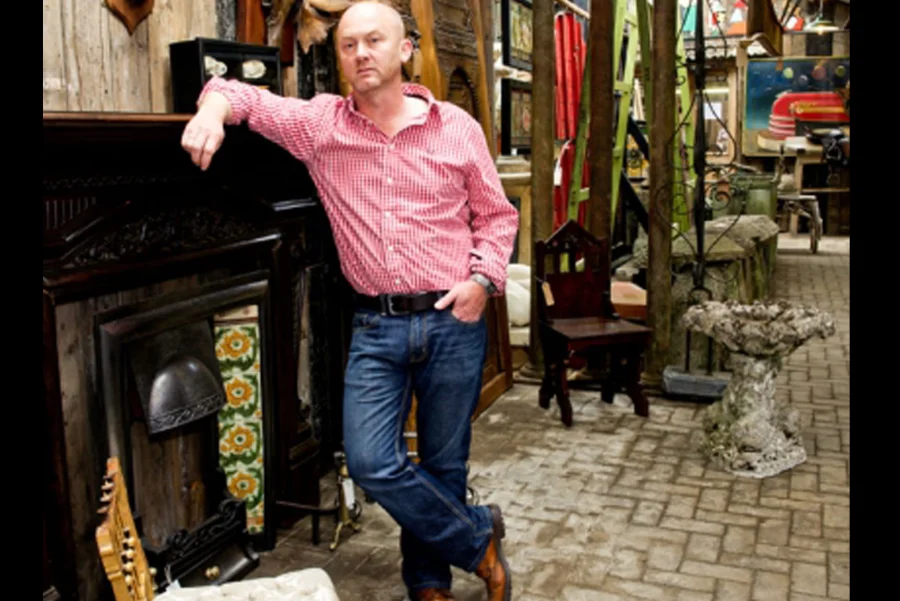
The renovation stretched over four years. During this time, Drew faced many challenges. Fixing earlier “bodged” repairs was one of the biggest issues. These mistakes often took longer to correct than expected.
Another challenge was staying true to the building’s period. Georgian homes require careful work. Modern shortcuts can ruin their look. This meant slow and detailed progress.
There were also financial pressures. Large restoration projects often cost more than planned. Drew even sold personal items to support the work. This shows how demanding the project became.
The role of skilled craftsmen and specialists
Drew did not work alone on this project. He brought in skilled builders and period specialists. These experts understand older buildings. Their work helped restore the house correctly.
Specialists handled different parts of the home. From structural work to decorative details, each task required experience. Even the garden was designed to match the house style.
Drew has always valued craftsmanship. This project reflects that belief. Every part of the house needed attention and care.
Why Drew Uses Salvaged and Reclaimed Materials
Drew Pritchard is known for using reclaimed materials in his work. This project follows the same approach. He believes older materials offer something modern items cannot.
In simple terms, reclaimed means reused from older buildings. These items include doors, fittings, and decorative pieces. Many come from buildings that were damaged or demolished. Instead of wasting them, Drew gives them new life.
Over the years, he has collected a huge number of items. These include chimneypieces, light fixtures, hinges, and more. Some pieces were stored for decades. This project gave him the perfect chance to use them.
Using reclaimed materials is not easy. Finding matching pieces takes time. Each item must also be restored before use. However, Drew believes the effort is worth it. He often says these materials have more character.
Another reason is sustainability. Reusing materials reduces waste. It also keeps historic design elements alive. For someone like Drew, this matters a lot.
The Final Stage: Interior Design and Personal Collection
How he plans to use decades of saved items
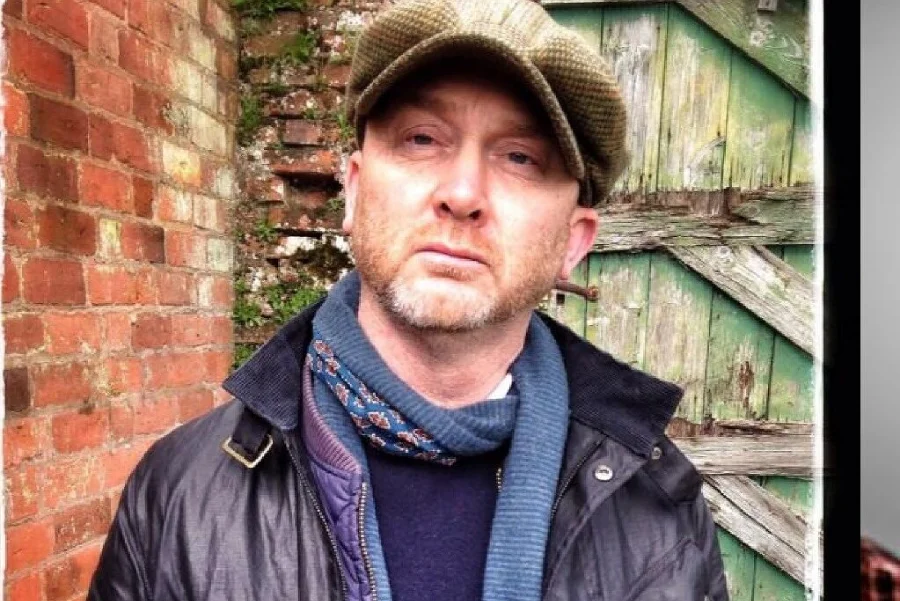
Drew has now reached the most personal part of the project. This is where his years of collecting finally come together. Unlike typical renovations, he is not starting from scratch. He already owns many of the materials.
Over the past 30 years, he saved items from different buildings. These include original doors, ironmongery, lighting, and decorative features. Many of these pieces were stored with no clear plan. Now, they are being matched carefully to each room.
This approach changes how design decisions are made. Instead of choosing from a catalogue, Drew works with what he has. If a piece fits the space and period, it gets used. If not, he waits or adjusts the design.
This method takes longer, but it creates a home that feels collected, not manufactured.
What makes antique interiors feel different
Antique interiors stand out because they are not perfect. Small marks, uneven finishes, and aged surfaces add depth. These details are hard to copy with new materials.
Drew focuses on authenticity. For example, an original door may not be perfectly straight. But it carries history. A reclaimed light fitting may have slight wear, but it adds character to the room.
Another key difference is material quality. Older items were often handmade. They used solid wood, metal, and traditional methods. This gives them a weight and presence that modern items lack.
Lighting also plays a role. Antique fixtures create softer, warmer light. This changes how a room feels, especially in older properties.
Common mistakes people make with vintage decor
Many people try to recreate this style but miss key details. One common mistake is overfilling a space. Too many vintage items can make a room feel messy instead of curated.
Another issue is mixing time periods without balance. Combining styles can work, but it needs control. Drew usually sticks close to the building’s original era.
People also rush the process. Good antique pieces take time to find. Buying quick replacements often leads to lower quality results.
A simple rule Drew follows:
- Choose fewer items
- Focus on quality
- Let each piece stand out
The Real Cost of Restoration (And What People Don’t See)
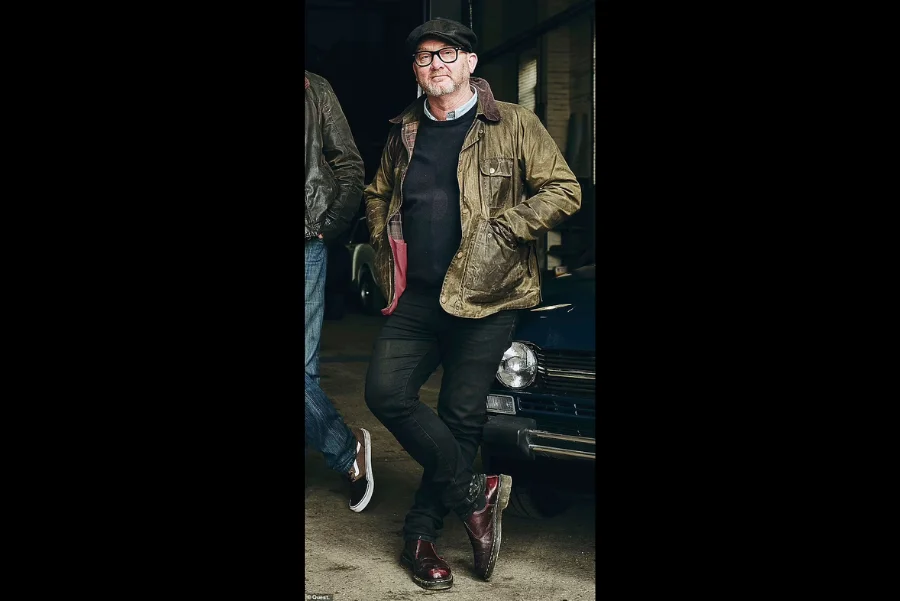
Restoring a historic property often looks exciting from the outside. However, Drew’s project shows the full reality behind it. The cost is not just financial. It affects time, energy, and lifestyle.
Financially, large restorations rarely stay within the original budget. Hidden damage is common in older buildings. Structural issues, damp, and poor past repairs all add extra costs. Drew faced many of these problems during the project.
To manage expenses, he even sold personal belongings. This is not unusual in large projects. Cash flow becomes important when work continues for years.
Time is another major factor. This project has taken over four years. Delays happen due to weather, materials, and skilled labour availability. Each stage depends on the previous one being done correctly.
There is also mental pressure. Managing a long-term build can be exhausting. Decisions need to be made daily. Mistakes can be costly. Drew himself admitted the project pushed him to the edge at times.
What most people don’t see:
- Rework due to past poor repairs
- Delays waiting for the right materials
- Extra costs from unexpected issues
- Daily stress of managing trades and timelines
Despite all this, the reward is meaningful. The finished house is not just a home. It is a restored piece of history.
Will Drew Pritchard Sell, Rent, or Keep the House?
As the project nears completion, Drew faces a decision many restorers deal with. What should happen to the finished property?
Selling is the most straightforward option. After investing time and money, selling can recover costs and generate profit. Given the location in Bath, the property could be highly valuable.
Renting offers a different benefit. It provides steady income over time. It also allows Drew to keep ownership of something he has worked hard to restore.
Living in the house is the most personal option. After years of effort, it would make sense to enjoy the space. However, Drew has a history of moving on to new challenges.
This is where his mindset becomes clear. He has already mentioned interest in other projects. Old and neglected buildings still attract him. This suggests he may not stay long-term.
This situation is common among experienced restorers. The process of building and restoring often matters more than ownership.
Possible options compared:
| Option | Benefit | Challenge |
|---|---|---|
| Sell | Quick return on investment | Letting go of the project |
| Rent | Long-term income | Ongoing management |
| Live in | Personal satisfaction | Less flexibility for new projects |
At this stage, no final decision has been confirmed. He is keeping all options open.
A Quick Look at Drew Pritchard’s Background
How he started in antiques and restoration
Drew Pritchard began his career at a young age. He did not follow a traditional academic path. Instead, he entered the trade through hands-on work. His early training was in stained glass restoration.
This entry point gave him access to the wider antiques world. On his first day, he saw architectural salvage up close. That moment shaped his career direction. He quickly developed an interest in old buildings and materials.
As a teenager, he was already buying and selling items. Small trades helped him learn how value works. He understood early that condition, rarity, and design all matter.
Over time, he built strong knowledge through real experience. He visited salvage yards, auctions, and historic sites. This practical learning became the foundation of his expertise.
His career with Salvage Hunters

Drew became widely known through the TV show Salvage Hunters. The show followed his travels across the UK. He searched for unique antiques and architectural pieces.
The show gave viewers a close look at his process. It showed how he spots value in overlooked items. It also highlighted his negotiation skills and design eye.
Over several seasons, his reputation grew. He built a strong client base. This included collectors, designers, and even well-known public figures.
The show also helped promote the salvage industry. Many viewers became interested in restoration after watching it.
What makes his approach different from others
Drew’s approach stands out for a few reasons. First, he focuses on originality. He prefers items that are untouched or lightly restored.
Second, he values design over trends. He looks for pieces that have lasting appeal. This helps his work stay relevant over time.
Third, he takes risks. Many of his projects involve difficult buildings or unusual items. This willingness to take chances sets him apart.
Finally, he combines business with passion. He is not just buying and selling. He is preserving history through his work.
Lessons You Can Learn from Drew’s Restoration Journey
Drew’s experience offers useful lessons for anyone interested in restoration. His projects show what works and what to avoid.
One key lesson is to start with the right property. Location matters, but condition matters more. A cheap property with major issues can cost more in the long run.
Another lesson is patience. Good restoration takes time. Rushing leads to mistakes. Drew often waits for the right materials instead of using quick fixes.
Planning is also important. Before starting, you need a clear budget and timeline. Even then, you should expect changes. Flexibility helps manage unexpected problems.
Practical tips you can apply:
- Inspect the property carefully before buying
- Set a realistic budget with extra margin
- Use skilled trades for specialist work
- Avoid mixing too many design styles
- Focus on quality over quantity
Drew also shows the value of reclaimed materials. They may take longer to source, but they improve the final result.
For beginners, it is better to start small. A single room or small project builds confidence. Large projects like Drew’s require experience and resources.
What’s Next for Drew Pritchard
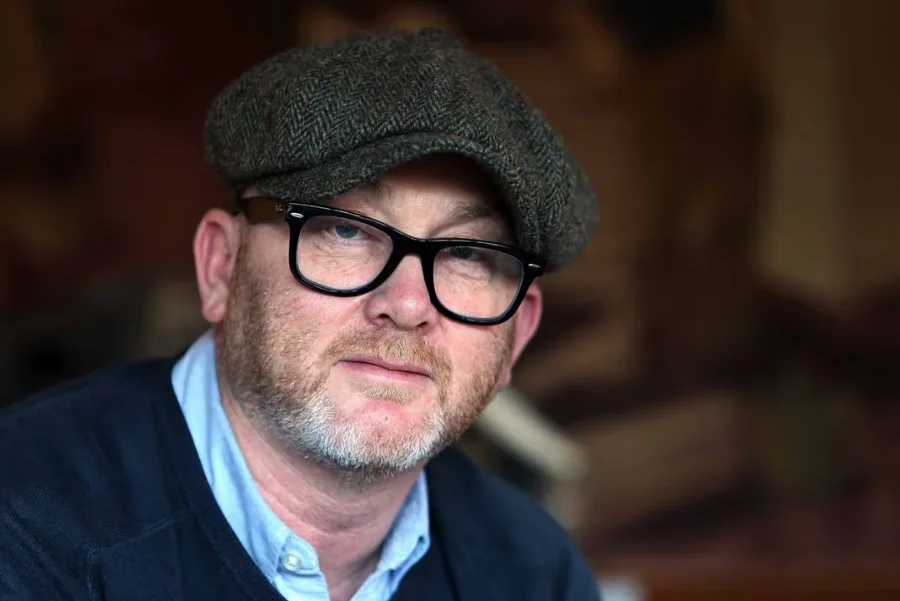
As this project comes to an end, attention shifts to what comes next. Drew has hinted that he is not done with restoration. In fact, new opportunities are already on his mind.
He has mentioned interest in other neglected properties. These are often older buildings that need major work. This type of challenge fits his skills and interests.
There is also the possibility of new media projects. Given his success on television, future shows or collaborations could happen. His audience remains strong.
His business in antiques and salvage continues as well. He still sources and sells unique pieces. This remains a core part of his career.
Fans can expect him to stay active in the field. Whether through new restorations or design work, his focus will likely remain the same.
What makes his future interesting is his mindset. He enjoys the process more than the end result. This means new projects are always likely.
Read More: Tara McKillop Biography
Final Words
Drew Pritchard’s journey shows what real restoration looks like. It is slow, demanding, and often unpredictable. His Georgian townhouse project highlights years of effort, careful planning, and strong attention to detail. From fixing poor past repairs to sourcing the right materials, every step required patience.
What makes his work stand out is his focus on authenticity. He does not rush decisions. Instead, he builds spaces that feel natural and lived-in. His use of reclaimed materials also shows respect for history and sustainability.
Beyond this project, Drew’s mindset remains the same. He enjoys the process more than the final result. This is why new restoration ideas continue to interest him. Whether he sells, rents, or lives in the house, his work will not stop here.
Related Post: Andrew Millican Biography