Allison Ford: Memorable Roles, Career Highlights, and Life Today
Allison Ford may not be a household name today, but if you remember the early 2000s, you might recall her in Coyote Ugly or on The Bold and the Beautiful. She wasn’t the lead actress, but her presence on screen left an impression. From modeling to small TV roles, and even voice acting in popular video games, Allison carved a unique path in entertainment.
Her story isn’t just about fame. It’s about talent, hard work, and making choices that felt right for her—even if that meant stepping away from the spotlight. Fans still wonder what she’s up to now, and why she disappeared from Hollywood. In this article, we’ll walk through her early life, career highlights, personal life, and the decisions that shaped her journey. You’ll get a clear picture of who Allison Ford is, what she accomplished, and why her story remains interesting today.
By the end, you’ll see that sometimes leaving the limelight doesn’t mean leaving a mark—Allison’s work continues to resonate in small but memorable ways.
Early Life and Family
Allison Ford grew up in Los Angeles, a city where movies, TV, and the entertainment world are all around you. Being raised in the heart of Hollywood gave her early exposure to a creative lifestyle most kids only dream about. Even as a child, Allison showed curiosity about art, performance, and fashion. She wasn’t just playing pretend—she was observing how people worked on sets, posed for cameras, and carried themselves in front of an audience.
Growing up in such an environment can make you feel at home among cameras and lights. For Allison, this meant she was already comfortable being watched, which later helped her modeling and acting. She attended school like any other child but had the unique advantage of living where many entertainment opportunities were nearby. Early exposure like this helped her understand how the industry worked, from the small details of professionalism to the larger challenges of pursuing creative work.
Her family played a crucial role in shaping her path. Having supportive parents made a big difference. They encouraged her interests and gave her the confidence to try modeling and acting, even when those careers seemed uncertain. Allison’s upbringing was a blend of normal childhood experiences and early immersion in the entertainment world, giving her both grounding and ambition. You could say she had the perfect balance of support and opportunity, which set the stage for her future work in modeling and television.
Birth and Childhood
Growing up in the entertainment capital meant she was constantly surrounded by movie sets, cameras, and industry professionals. As a kid, she experienced a mix of ordinary life—school, friends, hobbies—and a touch of Hollywood glamour. This blend helped her develop both a sense of normalcy and an early understanding of performance culture.
Her childhood involved observing people who worked in fashion and acting. For instance, she would watch photoshoots or TV sets, noticing how actors practiced lines or models posed. These experiences gave her a natural comfort in front of cameras. Many kids might feel shy in these situations, but Allison learned to navigate the spotlight early. It wasn’t forced; it was simply part of her environment.
Allison’s early years also involved exploration and creativity. She dabbled in drawing, dancing, and performing small skits for family and friends. These activities built her confidence, self-expression, and stage presence. By combining play with observation of real industry work, she began cultivating skills that would later translate into professional modeling and acting.
Parents and Upbringing
Allison’s parents, Kim Christine Hoffstadt and David Thomas Ford, were supportive of her creative interests. They encouraged her to explore art, fashion, and performance, giving her the space to discover her talents. Supportive parents can act like a safety net, allowing you to try new things without fear of failure. In Allison’s case, this meant experimenting with modeling and acting while still having a stable home life.
Her family also helped her understand the importance of professionalism. They taught her that showing up on time, paying attention to detail, and practicing her craft mattered as much as natural talent. This guidance made her early modeling jobs and acting experiences easier to navigate. It also helped her avoid common pitfalls young performers face, such as being overwhelmed or mismanaging opportunities.
Growing up with encouragement and a sense of responsibility gave Allison confidence. She learned that it was possible to pursue creative ambitions seriously, without losing herself in the competitive and often unpredictable world of Hollywood. That balance—encouragement, discipline, and exposure—formed the foundation of her early career.
Modeling Career Beginnings
Before acting, Allison Ford built her foundation in modeling. Modeling gave her valuable skills like camera presence, posture, and expression, all of which are essential for acting. You can think of it like training wheels before riding a bike—modeling helped her understand the basics before moving to bigger challenges.
Her first modeling work included local fashion shoots and smaller commercial assignments. These early jobs may have seemed small, but they were vital in building her comfort with cameras and crews. Every photo shoot, every pose, and every commercial taught her how to perform naturally in front of a lens. Over time, this experience gave her confidence to transition into television and movies.
Modeling also introduced her to the wider entertainment industry. Meeting photographers, casting directors, and agents opened doors for future acting opportunities. Beyond the technical skills, modeling helped Allison understand how to communicate energy, emotion, and personality without speaking—a skill that would serve her well in background roles and voice acting. By learning to express herself nonverbally, she could stand out even in small roles.
First Modeling Work
Allison’s initial modeling jobs were mostly commercial assignments and smaller fashion projects. These jobs required her to pose, move naturally, and follow instructions while looking relaxed on camera. For a newcomer, that’s a lot to handle, but Allison learned quickly.
Working on early shoots, she discovered the importance of subtle details: how a slight turn of the head could change a photo, or how posture could convey confidence. These lessons weren’t just for pictures—they were practice for being in front of TV and film cameras later. Modeling helped her understand timing, angles, and audience perception in a way few first-time actors get.
She also learned networking early. Meeting industry professionals, photographers, and casting agents helped her make connections that later led to TV roles. Every shoot was a chance to showcase reliability and professionalism, which can be just as important as talent in building a career.
Notable Commercials and Ads
Allison appeared in commercials for brands like Lexus, Peloton, AARP, and Jared Jewelry. These weren’t just jobs; they were opportunities to practice performing in a professional setting. Commercial work is fast-paced. You need to convey a message or emotion in seconds. This experience sharpened her timing and ability to deliver subtle expressions.
Working with major brands also gave her credibility. Casting directors often notice models who have professional commercial experience. Her work on these ads not only built her resume but helped her feel at ease in front of high-pressure sets. These early successes were small but meaningful stepping stones toward her acting career.
Transition to Acting

Modeling was only the first step in Allison Ford’s journey. While she had already built confidence in front of the camera and learned how to present herself, acting required a whole new set of skills. Moving from still images and commercials to live performance meant learning timing, movement, and subtle expression that could hold a viewer’s attention. For Allison, this transition was natural, but it didn’t happen overnight. She started with small background roles that allowed her to observe the pace of a real set, understand how directors worked, and practice professionalism on a larger scale. Every role, no matter how minor, was an opportunity to build experience. Think of it like training before a big performance: each small scene gave her confidence and taught her how to react under pressure.
Even though she wasn’t yet a lead actress, Allison approached these early roles seriously. She knew that professionalism, punctuality, and the ability to follow direction were just as important as natural talent. Her background in modeling helped her adapt quickly. On set, she understood how to hold herself, project presence, and stay calm while cameras rolled. This combination of preparation and natural skill allowed her to gradually build a resume that would lead to more visible roles. For many actors, this stage of their career can be uncertain, but Allison’s discipline and prior experience gave her an advantage. By taking small steps, she laid a foundation for a career in television and film that would include memorable supporting performances.
First TV Roles (The Bold and the Beautiful)
Allison Ford’s first credited acting role came on the popular soap opera The Bold and the Beautiful. While her role was small—appearing as a Forrester model in fashion sequences—it provided her first real experience working on a television set. These early TV roles required Allison to pay attention to timing, positioning, and subtle facial expressions. Even without speaking lines, she had to convey emotion and presence, which is a skill many actors develop over years. Being part of a well-known production also meant learning how large sets operated, from camera angles to lighting cues. This exposure gave her a sense of professional etiquette and on-set dynamics that would serve her throughout her career.
The role also helped Allison understand the importance of consistency. On a soap opera, scenes are shot quickly, often with multiple takes, and actors must hit their marks precisely. For someone transitioning from modeling, where stillness and poses dominate, this required adjustment. She needed to develop timing, coordination with other actors, and awareness of camera framing. The experience, although brief, taught her that even background or supporting roles are crucial in shaping the story and adding realism to the production. It also provided her with her first professional credit, which opened doors for more significant roles in film and television.
Early Film Appearances
After gaining experience on television, Allison began appearing in small film roles. These early appearances were often brief, but they provided valuable lessons about the differences between TV and film acting. Unlike soap operas, where scenes are shot quickly and repeatedly, film often requires a more subtle, cinematic approach. Allison had to adjust her performance to suit the camera’s intimacy, learning how to convey character and emotion in fewer words and gestures. These small roles also allowed her to observe how directors, cinematographers, and co-actors collaborated on set.
Even if her appearances were short, Allison treated them seriously. She understood that every role, no matter how minor, contributed to her reputation and experience. Being reliable, adaptable, and professional on these film sets demonstrated her ability to work under pressure. Over time, these early film roles added credibility to her resume, signaling to casting directors that she could handle diverse roles. Each scene was a building block, helping her refine her skills and gain confidence. In a competitive industry, accumulating small successes can lead to larger opportunities, and Allison’s early film work exemplifies this approach.
Film and Television Highlights
Allison Ford’s career includes several memorable supporting roles that left an impression on audiences, even if she was not the leading star. Her ability to bring energy and authenticity to small parts made her a reliable choice for casting directors. She worked in both television and film, and later expanded her talents into voice acting, showing a remarkable range for an actress whose career was relatively brief.
Her presence on screen often added charm to the story, even in scenes that were not central to the plot. Supporting actors like Allison are essential—they provide depth, realism, and nuance to productions. Whether in a busy bar scene or a background sequence, her performances contributed to the overall feel of the project, making viewers more immersed in the story. While she may not have received widespread recognition, the roles she played remain memorable to fans who recall her energy and screen presence. Her career demonstrates that success in entertainment doesn’t always mean starring in every scene; sometimes, leaving a subtle but lasting impression is just as valuable.
Allison also showed versatility, moving from on-camera roles to voice acting. This skill allowed her to work in popular video games and other media, broadening her professional scope. By embracing different types of projects, she ensured her work reached a variety of audiences, demonstrating adaptability and talent. Her career, though not long, reflects a dedication to craft and a willingness to explore multiple avenues in the entertainment industry.
Personal Life and Marriage
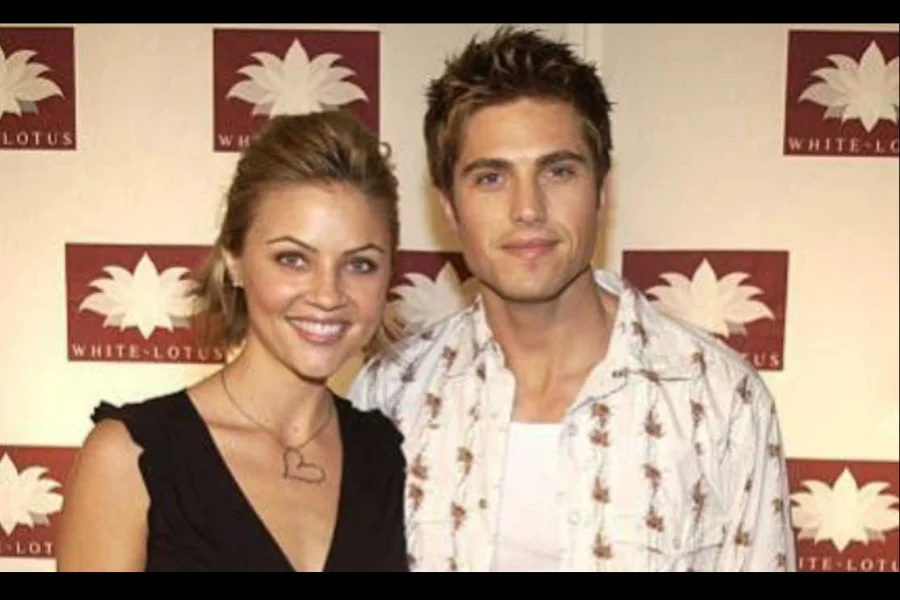
Allison Ford’s personal life has always been private, giving her an air of mystery that fans still talk about today. Unlike many actors who share every detail on social media, Allison chose to keep her personal world separate from her career. One of the most public aspects of her life was her marriage to actor Eric Winter. Their relationship offers a glimpse of Allison beyond modeling and acting, showing that she valued meaningful connections and stability over public attention. The marriage also highlights a side of Hollywood life that’s less glamorous—navigating pressures quietly, away from headlines, while building a partnership. Allison seemed to approach her personal life with the same thoughtfulness she brought to her work, understanding that not everything needed to be shared or performed for an audience.
While Allison’s private nature means there’s little public gossip, what is known reflects her deliberate choice to prioritize personal growth and well-being. Even during her time in Hollywood, she was careful about how much of herself she exposed to the media. This mindset would later shape her decision to step away from the spotlight entirely. Her personal life illustrates that choosing privacy and a slower, more personal path is sometimes just as valuable as fame and recognition in the industry. Fans admire her for keeping her life balanced and for making choices that reflected her own values rather than outside expectations.
Relationship with Eric Winter
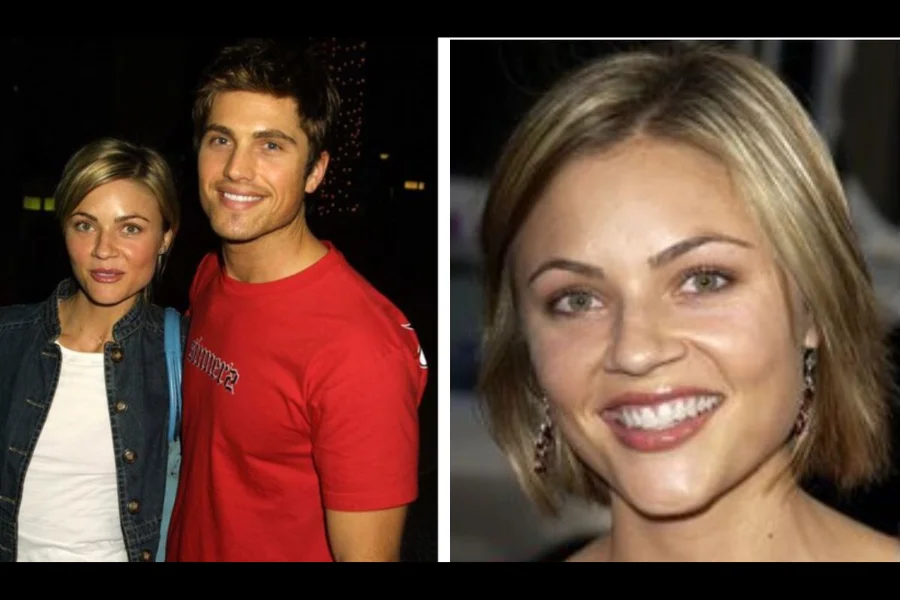
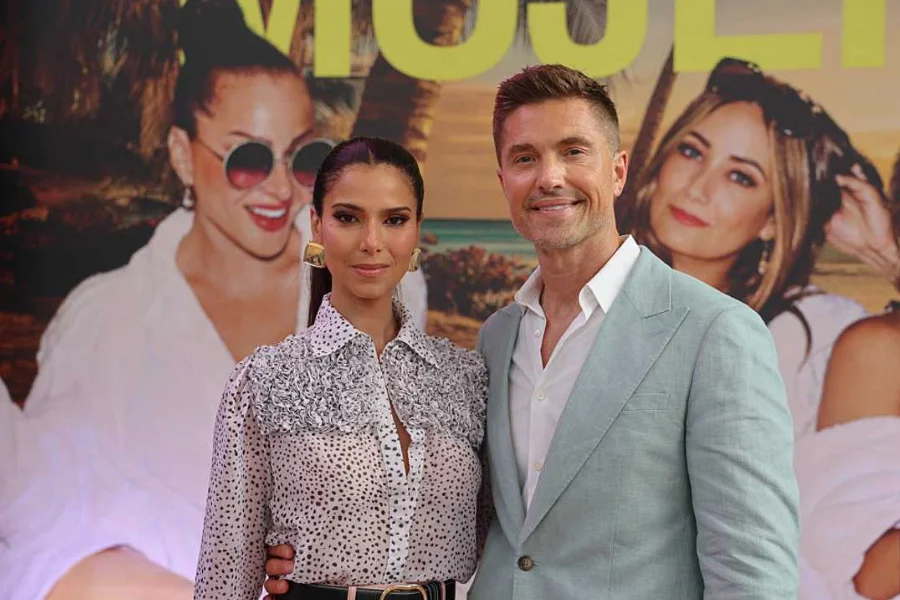
Allison Ford married actor Eric Winter on July 21, 2001. At the time, Eric was rising in fame with popular TV roles, including Days of Our Lives, which made him a recognizable face to audiences. Their marriage, however, stayed mostly private, reflecting Allison’s approach to life away from cameras and media attention. The couple avoided public drama and seemed to share a quiet, supportive relationship. They attended to the demands of Hollywood together, balancing careers, appearances, and personal life while maintaining discretion. This privacy allowed Allison to live her life without constant scrutiny and provided her with space to focus on her personal well-being.
Though the marriage lasted only a few years, it shows that Allison valued companionship and normalcy even in a high-pressure environment. Being married to a fellow actor might seem glamorous, but it also comes with unique challenges, from long hours on set to public expectations. Allison and Eric appear to have navigated these pressures thoughtfully, prioritizing their own understanding and privacy rather than seeking attention. Their relationship reminds us that even in the entertainment world, people can maintain dignity and balance if they choose to.
Divorce and Life After Marriage
The marriage ended in 2005, and both Allison and Eric kept the reasons private. There were no public disputes or media drama, which is rare in Hollywood. After the divorce, Eric continued his acting career and eventually remarried, while Allison chose a different path entirely. She stepped back from public life, focusing on herself, her well-being, and the quiet joys of privacy. This decision underscores her independence and her belief that personal fulfillment doesn’t have to come from fame or public approval.
Life after the divorce appears to have been a time of reflection and personal growth for Allison. Rather than chasing more roles or staying in the public eye, she seemed content to enjoy everyday life outside Hollywood’s glare. This approach demonstrates that it’s okay to leave behind certain expectations and prioritize mental and emotional health. Fans who followed her career might have been curious about her absence, but Allison’s choice reminds everyone that stepping back can be a form of strength, not failure.
Why She Left Hollywood
Allison Ford gradually disappeared from acting after 2009. While many actors continue working despite small roles, Allison chose to step away entirely. Her decision shows that leaving Hollywood can be intentional, not forced, and that personal priorities can outweigh the pressure to stay visible. She had already built a body of work that left an impression—supporting roles in film, television, and even video games—but she seemed ready to explore life outside the cameras.
Her final projects included voice acting for Grand Theft Auto IV and The Lost and Damned, along with minor TV appearances. These roles highlighted her versatility but also marked the end of her public career. By stepping away while still being remembered, Allison maintained control over her narrative. Many fans see her departure not as a disappearance but as a conscious choice to live authentically. Choosing privacy over constant exposure, she demonstrated that personal well-being can matter more than fame or recognition.
Allison’s decision to leave Hollywood resonates with anyone who has felt pressure to constantly perform or meet public expectations. It’s a reminder that leaving behind certain paths doesn’t erase your contributions; instead, it can protect your energy and preserve your legacy.
Final Roles and Last Public Work
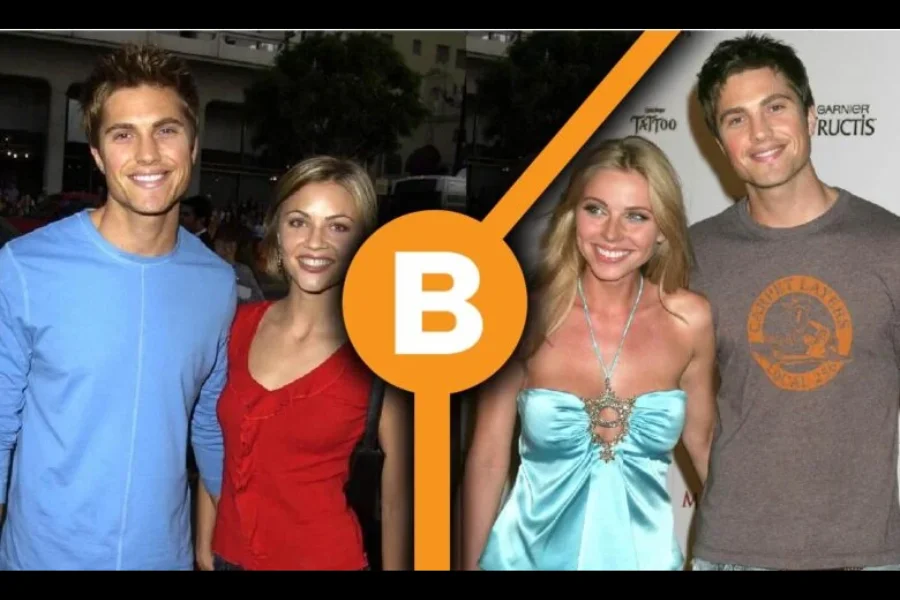
Allison’s last known work included voice acting for The Lost and Damned and smaller television appearances. These projects showcased her skills without requiring her to be in the spotlight. Even though her roles were not leading parts, she left a lasting impression through professionalism, reliability, and screen presence. Fans remember her for her energy and dedication, proving that supporting actors can be just as memorable as stars.
Her last work also reflects the nature of her career—a steady, thoughtful approach to opportunities. She didn’t chase roles that didn’t feel right and completed projects that aligned with her abilities and interests. This selective approach is a lesson in career management: sometimes it’s better to contribute meaningfully in smaller ways than to overextend yourself chasing visibility. Allison’s final public roles cemented her versatility and demonstrated her commitment to craft over fame.
Decision to Stay Private
After 2009, Allison opted out of social media, interviews, and public events. This decision wasn’t about avoiding fans but about reclaiming personal space. Privacy can be empowering, allowing room for reflection, hobbies, and meaningful relationships outside public scrutiny. For Allison, stepping away meant she could live life on her own terms without pressure from Hollywood or audiences.
Her choice resonates with anyone overwhelmed by visibility or expectations. In a world where personal life is often shared online, Allison demonstrates that you can still maintain relevance through your work, even while living quietly. This privacy allowed her to enjoy freedom, focus on herself, and explore a life beyond acting. Fans respect her decision, as it shows courage to prioritize well-being over public approval.
Final Words
Allison Ford may not be a household name today, but in the early 2000s, she left her mark with roles in Coyote Ugly and The Bold and the Beautiful. Starting as a model, Allison learned to command the camera, express emotion without words, and navigate the fast-paced world of commercials and photo shoots. These experiences paved the way for her acting career, where she took small TV and film roles, and even lent her voice to popular video games.
Her personal life remained private, including her marriage to actor Eric Winter from 2001 to 2005. After their divorce, Allison stepped back from Hollywood, prioritizing well-being over fame. She gradually retired from acting after 2009, choosing a quiet life away from cameras and social media.
Though she left the spotlight, her work continues to resonate. Allison’s career shows that even small roles, professionalism, and thoughtful choices can leave a lasting impression in entertainment.
For more clear and honest insights, keep reading Standard Magazine.