
EasyJet Flight U2238 Emergency Landing Newcastle: Airport and Medical Response Details
Easyjet flight u2238 emergency landing newcastle: Air travel is usually predictable, but sometimes things don’t go as planned. That was the case for EasyJet flight U2238 on the night of October 27, 2025. The plane was flying from Copenhagen to Manchester, and passengers were expecting a routine journey with an arrival around 10:35 pm GMT. But midway through the flight, a passenger became seriously unwell, changing a normal evening into a high-stakes emergency.
Suddenly, the flight crew had to act fast. They weren’t just managing a plane full of travelers—they had a person’s health on the line. Cabin crew immediately assessed the situation, provided first aid, and kept communication with the pilots. The pilots then had to make a critical decision: continue to Manchester or divert to the nearest airport with the right facilities. They chose Newcastle, prioritizing medical care over schedule.
This emergency landing shows how airlines handle unexpected situations while keeping passengers safe. It’s a mix of training, quick thinking, and teamwork between crew, air traffic controllers, and ground medical teams. For anyone flying, it’s a real-life reminder that your safety is always the top priority—even when plans suddenly change mid-air.
What Happened on Flight U2238
Flights usually follow a predictable schedule, but emergencies can change everything in an instant. That’s exactly what happened on the night of October 27, 2025, aboard EasyJet flight U2238. The plane was on its normal route from Copenhagen to Manchester, and passengers were settling in for what should have been a smooth evening journey. Most travelers were reading, watching shows, or preparing for landing when the crew noticed something unusual. A passenger was showing signs of distress. What began as a minor concern quickly escalated, turning a regular flight into a critical situation that demanded immediate action.
The way airlines handle emergencies is a combination of training, experience, and procedure. Cabin crew and pilots have clear protocols for evaluating risks and deciding the best course of action. On U2238, the crew quickly assessed the severity of the situation while keeping other passengers calm. Decisions had to be made fast, because in the air, every minute matters. This event reminds us that even routine flights rely on highly trained professionals ready to respond when the unexpected happens.
Flight Route and Schedule
Flight U2238 was scheduled to leave Copenhagen in the late evening and arrive in Manchester at about 10:35 pm GMT. However, like many commercial flights, it experienced a small delay. The plane departed at 10:22 pm CET instead of the planned time. While a few minutes may seem minor, even short delays can make operations tighter for both crew and air traffic control. For passengers, delays are usually harmless. But when emergencies occur, timing becomes critical.
Delays can affect coordination with ground services, connecting flights, and even airport readiness. For this flight, the small delay didn’t cause issues initially. Passengers were settling in, unaware that a medical emergency was about to change the course of the journey. Think of it like leaving home a few minutes late—normally, it’s no big deal, but if an unexpected event happens on the way, every minute counts. The crew needed to factor in timing, location, and available airports to respond safely to the situation.
Mid-Flight Emergency
About halfway through the flight, cabin crew noticed a passenger showing signs of distress. At first, it was subtle: pale skin, difficulty breathing, and general discomfort. But the symptoms worsened quickly. Cabin crew trained in first aid immediately began assessing the passenger and providing care using the plane’s medical kit. These kits are designed for everything from minor injuries to life-threatening situations.
Medical emergencies at 35,000 feet are particularly challenging because there’s no immediate hospital access. Crew members must act fast while maintaining calm for all passengers. They quickly informed the pilots, who began evaluating options for the safest and fastest response. The crew’s early recognition of the problem was crucial. It allowed the pilots to plan a diversion to the nearest suitable airport where professional medical assistance was ready. Without quick assessment and communication, the situation could have become much more serious.
Crew Response in the Air
When a passenger’s health suddenly becomes critical, the flight crew is the first line of defense. On EasyJet flight U2238, the cabin team immediately stepped into this role, showing how training, teamwork, and clear communication work together to keep everyone safe. In emergencies, the crew isn’t just following a checklist—they’re making real-time decisions that affect someone’s life while also managing dozens of other passengers on board. This balance between care and calm is what separates routine flights from critical incident management.
The crew’s rapid response made all the difference. They assessed the passenger’s condition, monitored vital signs, and prepared onboard medical equipment. Meanwhile, they kept the rest of the passengers informed without creating panic. Announcements were calm and reassuring, explaining that there was a medical emergency and that the pilots were handling the situation. This approach helped maintain order in the cabin, reducing stress for everyone. It’s a reminder that flight attendants train for scenarios that rarely happen—but when they do, that training becomes invaluable.
Cabin Crew Actions
On U2238, the cabin crew acted fast and methodically. They first assessed the passenger’s condition, checking for breathing difficulties, pulse, and consciousness. Oxygen and other basic treatments were administered immediately from the onboard medical kit. These kits are designed to handle everything from minor issues to life-threatening emergencies, giving crews tools to stabilize passengers until professional help is available on the ground.
Communication was a key part of their response. Every observation and action was relayed to the pilots, allowing them to make informed decisions about the flight’s path. Crew members also communicated with the rest of the passengers, providing reassurance and clear updates. This helped prevent panic and kept the cabin orderly, which is essential during emergencies. Handling an inflight medical situation isn’t just about medical care—it’s about coordination, leadership, and keeping everyone informed while under pressure.
Pilot Decision-Making
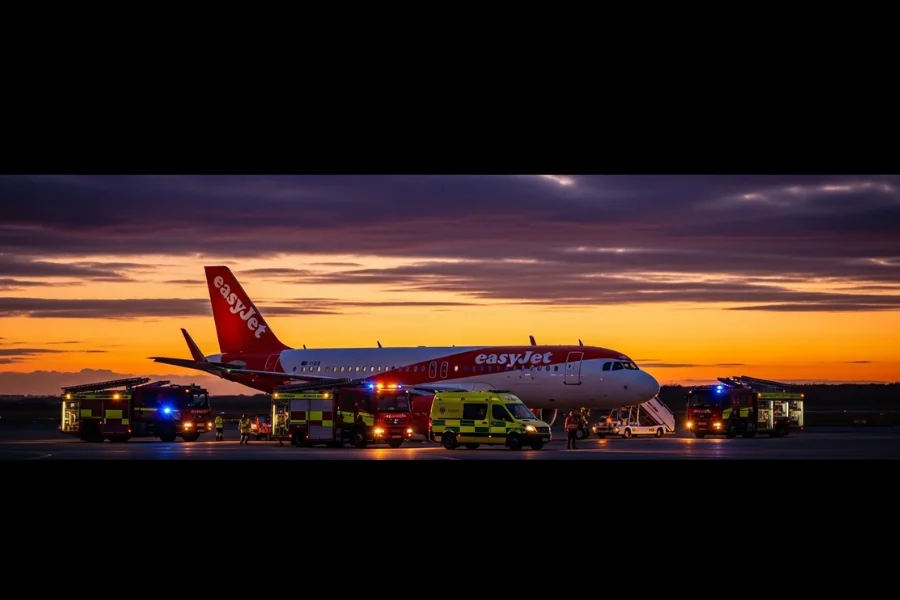
Once the cabin team confirmed the severity of the medical emergency, the pilots had to make a critical choice. Continuing to Manchester could have delayed urgent medical attention, potentially worsening the passenger’s condition. After quickly evaluating options, they decided to divert to Newcastle Airport—the nearest airport equipped for immediate emergency care.
Pilots consider multiple factors in such decisions: distance to alternate airports, weather conditions, runway length, and availability of emergency services. They also coordinate with air traffic control to ensure a safe landing path while managing other nearby flights. It’s similar to choosing the fastest route to a hospital in heavy traffic—you want the safest and quickest option, not necessarily the one you planned. This decision shows how pilots prioritize human safety over schedules, demonstrating the high level of responsibility and training required for in-flight emergencies.
Why Newcastle Was Chosen
When a plane needs to land quickly due to a medical emergency, the choice of airport isn’t random. For EasyJet flight U2238, Newcastle Airport was selected because it offered the fastest route to professional medical care. Pilots and cabin crew need to balance distance, runway suitability, and available emergency services—all while keeping passengers safe. This isn’t about convenience or schedule; it’s about making sure someone in critical condition gets help as quickly as possible.
Emergency landings are carefully planned even in the moment. The crew evaluates nearby airports and considers the facilities each one offers. Newcastle was the closest airport capable of handling an Airbus A320 while offering full medical support. That meant paramedics could be ready on the tarmac, and hospital transfer could happen immediately. In situations like this, every minute counts, and the right choice of airport can be life-saving.
Proximity and Airport Facilities
Newcastle Airport had everything needed to handle U2238’s emergency safely. Being closer than Manchester, it reduced flight time and got the passenger to medical care faster. The airport could accommodate the Airbus A320 and coordinate with emergency responders, including paramedics ready for immediate action. Think of it like choosing the closest hospital in a traffic jam—you want the one with both the right equipment and the fastest route.
The airport’s infrastructure and staff readiness make a huge difference. Gates, emergency vehicles, and hospital connections were already planned in advance for situations like this. This careful preparation ensures that even an unexpected landing can be handled efficiently. Without a suitable airport, in-flight medical emergencies can become far more complicated and dangerous.
Coordination with Air Traffic Control
Once Newcastle was chosen, air traffic control played a key role. This kept the airspace safe and gave U2238 a clear path to land quickly.
Air traffic controllers are trained for these high-pressure moments. They adjust flight paths, manage spacing, and communicate constantly with pilots to maintain safety. It’s similar to coordinating multiple ambulances in a city—everyone needs to know where to go without causing delays or accidents. This teamwork between pilots and controllers ensures that emergency landings happen smoothly, without putting other passengers at risk.
Emergency Landing and Medical Response

When EasyJet flight U2238 was diverted to Newcastle, the airport staff were ready for its unexpected arrival. Emergency procedures had already been activated as soon as the pilots confirmed the diversion. This kind of preparedness is standard for airports with regular commercial traffic, especially those equipped to handle large aircraft like the Airbus A320. It ensures that critical help is available immediately, without any wasted time.
The smooth coordination between pilots, cabin crew, airport staff, and paramedics was key to handling the situation effectively. By the time the plane touched down, all teams were in position to provide immediate care. This level of organization reduces risks, prevents delays in treatment, and reassures passengers that the situation is under control. It’s a reminder that aviation emergencies are managed through planning, training, and real-time teamwork.
Arrival at Newcastle Airport
Paramedics from the North East Ambulance Service were waiting as soon as U2238 landed. They met the plane on the tarmac and began immediate assessment of the passenger’s condition. This rapid response is similar to calling 911 before arriving at a hospital—everything is ready when the patient arrives. The crew worked closely with paramedics, handing over medical observations and treatments given during the flight.
Airport emergency teams also helped manage logistics, clearing pathways and coordinating with ground staff to make sure nothing slowed the transfer. Even small delays can matter in serious medical situations, so the efficiency of everyone involved was critical. Meanwhile, other passengers remained safely onboard while the team focused on the patient. This smooth execution demonstrates how emergency protocols are designed to minimize risk and maximize care speed.
Passenger Transfer to Hospital
After initial care on the tarmac, the passenger was safely transported to the Royal Victoria Infirmary. Cabin crew provided a full handover of medical information, ensuring hospital staff could continue treatment without interruption. This continuity of care is essential—it prevents mistakes and saves time, especially in emergencies where every second counts.
The process also included clear communication between the paramedics and hospital teams, so procedures were ready before the patient arrived. In aviation emergencies, this handoff is a critical step. It’s more than moving someone from one place to another; it’s about transferring responsibility seamlessly, with no gaps in treatment. The crew’s preparation and documentation allowed hospital staff to act immediately, improving the chances of a positive outcome.
Impact on Other Passengers and Flights

Emergencies on flights affect more than just the passenger in distress. Other travelers and even nearby aircraft can experience delays or stress. On U2238, the crew worked hard to keep everyone calm while managing the emergency. Passengers were informed promptly about the situation. Flight attendants reassured them that safety was the priority and offered practical help, like water and seating adjustments, while the plane was refueled and prepared to continue to Manchester. Clear updates prevented panic and helped passengers remain comfortable despite the disruption.
Passenger Experience During the Diversion
The cabin crew prioritized communication. Passengers were told why the plane was landing in Newcastle and what steps were being taken. They received regular updates about refueling and safety checks, which helped reduce anxiety. Even small gestures, like offering refreshments and checking on comfort, made a big difference in keeping passengers calm. Crew training emphasizes that managing passenger emotions is as important as handling the medical emergency itself.
By explaining what was happening and why, the crew maintained trust. Passengers could see that the flight team was in control, and that their safety—and the patient’s—was the top priority. This approach helps people feel secure even in stressful, unexpected situations.
Air Traffic Effects
Diverting a plane affects other flights in the area. During U2238’s emergency, Air France flight AFR1558 had to enter a holding pattern to allow the EasyJet plane to land first. Air traffic controllers quickly adjusted flight paths and spacing to ensure safety. Managing multiple planes while prioritizing an emergency landing requires skill and precise communication.
Once U2238 landed safely and the passenger received care, controllers cleared other aircraft to continue their journeys. This process shows how air traffic management balances urgency with safety, ensuring that emergency situations don’t put additional flights at risk. The system is designed to be flexible, giving priority where needed while keeping overall operations stable.
Airline Communication and Support
Emergencies don’t just test a flight crew—they also test how an airline communicates with passengers and the public. After the diversion of EasyJet flight U2238 to Newcastle, the airline focused on keeping everyone informed and reassured. From the start, EasyJet made it clear that the diversion was due to a “passenger welfare issue.” This phrasing is standard in aviation, signaling a medical emergency rather than a technical problem or pilot mistake. By being upfront about the reason for the change, the airline reduced confusion and rumors that often spread quickly during unexpected delays.
EasyJet also issued apologies to passengers affected by the diversion, recognizing that even though safety came first, the delay caused inconvenience. Transparency helps passengers trust that the airline is handling the situation professionally and responsibly. In addition, timely updates on social media, email, or in-app notifications allowed family members and the broader public to know the situation was under control. This combination of honesty, clarity, and empathy is essential in maintaining confidence in the airline, especially when emergencies disrupt normal travel plans.
Customer Care and Reimbursement
Passengers delayed by emergencies like U2238’s diversion are not left to manage on their own. EasyJet follows specific policies to support travelers in these situations. This includes compensation for delays caused by medical emergencies and assistance with onward travel arrangements. Staff provide guidance for rebooking connecting flights, finding accommodations if needed, or simply keeping passengers comfortable while waiting. Small gestures, like offering refreshments and answering questions, go a long way in reducing stress and helping passengers feel valued.
Handling disruptions respectfully shows that an airline cares not just about safety but also about passenger experience. In situations like U2238, where the emergency was urgent and unavoidable, providing support signals that safety and care extend beyond the cockpit and cabin. It reinforces that passengers are more than numbers on a manifest—they’re people whose comfort and well-being matter. Clear policies and proactive support also make it easier for passengers to plan their next steps without added stress, improving the overall experience despite the disruption.
Lessons on Safety and Aviation Protocols
Every in-flight emergency is a reminder of why aviation safety systems exist. The U2238 incident highlights how layered training, strict procedures, and teamwork protect passengers. Airlines prepare for situations that rarely happen, but when they do, these systems guide everyone from cabin crew to air traffic control. Emergencies are unpredictable, but preparation and coordination turn a potentially chaotic scenario into a controlled, safe outcome.
The incident also shows the importance of constant vigilance. From the moment the passenger showed signs of distress, the crew followed procedures—assessing the severity, communicating with the cockpit, and preparing for a diversion. Pilots then quickly evaluated the nearest suitable airport and coordinated with air traffic control, ensuring a smooth and safe landing. Every role in this process is crucial. Crew members rely on drills and simulations to keep skills sharp, while airlines continuously review protocols to improve response times. In practice, this means every decision—from giving oxygen to landing at the closest airport—is deliberate, trained, and coordinated.
Importance of Crew Training
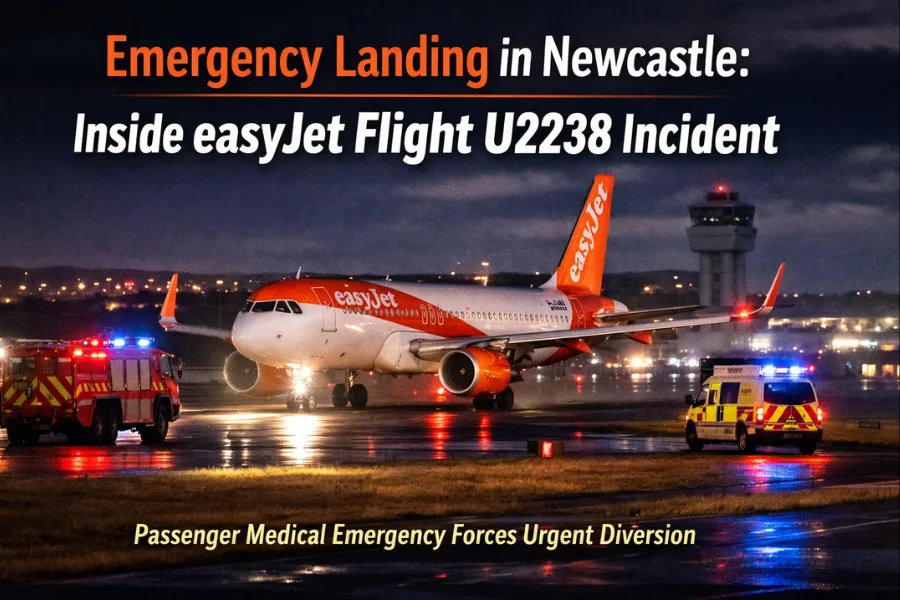
Crew training goes far beyond memorizing safety cards. Flight attendants undergo extensive instruction in first aid, CPR, and the use of onboard medical equipment. They also practice emergency scenarios, including medical emergencies, cabin evacuations, and passenger management. This preparation allows crews to respond quickly and calmly when real emergencies occur, as on U2238.
For example, the cabin crew’s rapid assessment and ongoing monitoring of the passenger prevented the situation from worsening and allowed pilots to make informed decisions. Crew training isn’t just about technical skills—it also focuses on leadership, communication, and emotional management. Keeping other passengers calm while handling a critical medical situation requires confidence, empathy, and coordination under pressure.
How Airlines Handle In-Flight Emergencies
Airlines follow step-by-step protocols during emergencies. The first step is assessment: the crew evaluates the severity of the issue. They then inform the pilots, who contact air traffic control and identify the nearest suitable airport. Coordination with ground services ensures medical teams are ready to assist upon landing. These procedures prioritize passenger welfare over schedules, showing that safety comes first.
Think of it like a well-rehearsed fire drill. Every action is practiced, so when the real situation occurs, execution is smooth and fast. Every role—from the flight attendants providing care to air traffic controllers clearing a path—is part of a larger system designed to minimize risk. This level of coordination ensures that emergencies are managed efficiently, and passengers are protected every step of the way.
Final Words
Air travel is usually predictable, but emergencies can happen anytime. On the night of October 27, 2025, EasyJet flight U2238 from Copenhagen to Manchester faced just that. Midway through the flight, a passenger became seriously unwell, prompting the cabin crew to act quickly. They assessed the passenger, provided first aid, and kept other travelers calm, while relaying critical information to the pilots.
The pilots immediately decided to divert to Newcastle Airport, the closest facility with emergency medical services. Air traffic control cleared a priority path, and paramedics were ready on arrival. The passenger was swiftly transferred to the Royal Victoria Infirmary, with full medical handover ensuring seamless care.
Other passengers were informed and supported during the diversion, while nearby flights adjusted safely. EasyJet communicated transparently, offered apologies, and provided guidance for onward travel. This incident highlights the importance of trained crews, coordinated protocols, and clear communication—proving that passenger safety always comes first, even when plans change unexpectedly.
For more clear and honest insights, keep reading Standard Magazine.