Fascisterne Explained: History, Meaning, and Modern Impact on Society
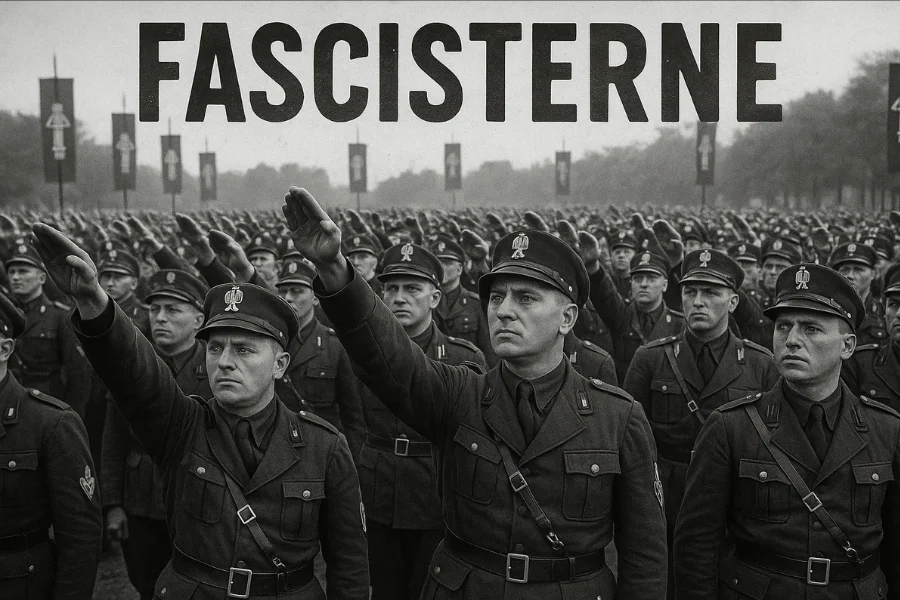
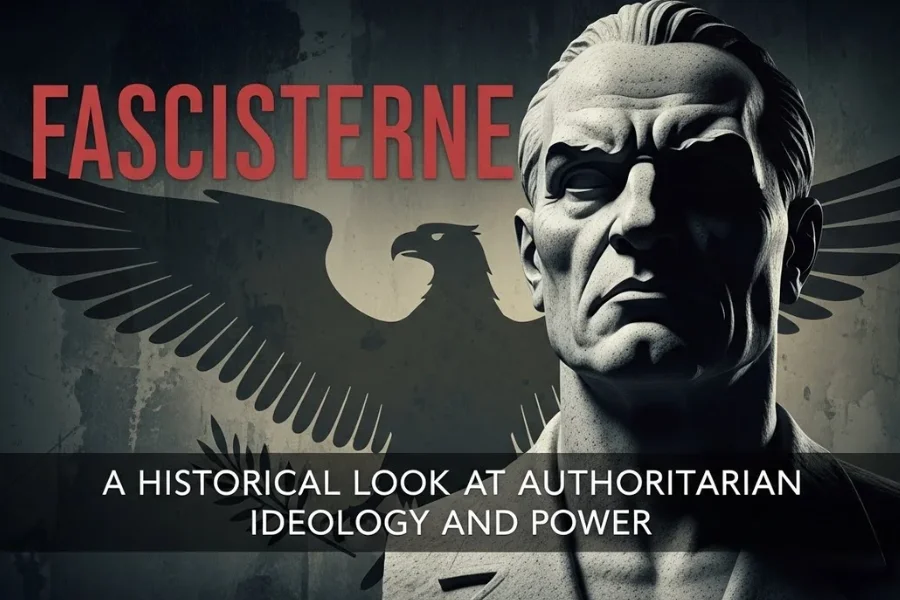
Fascisterne isn’t just a word from history books—it’s a concept that still matters today. The term refers to people who follow or support fascism, an authoritarian political system built on extreme nationalism, strict control, and loyalty to a single leader. While classical fascism is often associated with Mussolini in Italy or Hitler in Germany, its ideas have left a lasting mark around the world.
You might wonder why understanding Fascisterne is important. The truth is, the same patterns—fear, propaganda, suppression of dissent—can appear in modern politics, sometimes in disguised forms. By learning how these movements operate, you can spot warning signs and understand why people are drawn to them. This article will break down Fascisterne in plain language, show how it worked historically, explain its lingering influence today, and give practical advice on recognizing and resisting these dangerous ideologies in everyday life.
Suppression of Opposition and Censorship
Fascisterne movements depend on controlling what people can say and hear. They know that if citizens can’t speak freely, it’s easier to push their ideas and maintain power. In historical fascist states, newspapers, books, schools, and even private conversations were carefully monitored or censored. People who spoke out could be jailed, exiled, or worse. The goal was simple: silence any challenge to authority before it gained traction.
Think of it like a classroom where the teacher only allows one student to answer every question. Over time, the other students stop raising their hands because they fear punishment or embarrassment. That’s exactly how fascist governments work—they create fear so people stop questioning or resisting. Propaganda reinforces this control, spreading false stories that glorify the leader and paint opponents as threats. Media is turned into a tool that teaches citizens what to think rather than letting them explore ideas for themselves.
Even today, similar tactics can appear in modern politics. Restricting free speech, spreading misinformation, or dismissing opposing voices are subtle signs of the same principle at work.
Militarism and Glorifying Power
Fascisterne leaders often glorify strength, war, and authority. Military parades, uniforms, and symbols aren’t just decorative—they communicate that power equals respect. Citizens are encouraged to admire might over discussion or critical thinking. The idea is that if people fear or admire strength, they are less likely to question the government.
This emphasis isn’t limited to soldiers. Schools, youth groups, and public events all promote obedience, discipline, and loyalty to the state. Children are taught from a young age that serving the nation and respecting authority is the highest virtue. Leaders like Hitler and Franco used these tools to make ordinary citizens feel part of a powerful movement, giving the impression that they were contributing to something bigger than themselves. Violence becomes normalized as a tool rather than a last resort, and citizens learn to accept or even celebrate it.
The effect is psychological. People begin to admire power automatically, equating it with order and safety. Over time, questioning authority feels wrong, even dangerous. Militarism becomes part of the culture, and fear reinforces compliance.
Economic Control and Propaganda
Fascisterne regimes often steer key parts of the economy to serve state goals. They rarely eliminate private businesses, but they regulate industries, trade, and labor to align with government priorities. Workers are expected to follow state plans, and companies must prioritize national objectives over profit. This ensures that economic activity supports the ideology of the regime, not personal or community interests.
Propaganda strengthens this control. Posters, radio broadcasts, films, and today’s social media equivalents constantly repeat state-approved messages. Citizens are taught who to trust, what to value, and who to fear. For example, Mussolini’s Italy promoted slogans like “Work for the Nation” while controlling factories and industries to appear united and productive, even as individual freedoms shrank.
Propaganda and economic control work together to shape loyalty. People feel they are part of a larger, orderly system. They start to believe that their sacrifices are necessary for national greatness. Over time, citizens internalize the government’s narrative, seeing obedience and conformity as the only way to survive and succeed.
Why People Follow Fascisterne
Desire for Stability and Identity
Life can be unpredictable. Wars, economic crises, and political unrest leave people feeling lost or powerless. During these times, it’s natural to crave stability—a routine you can rely on, a sense of security, and clear rules to follow. Fascisterne movements exploit these feelings. They present themselves as the answer to chaos, promising order, clear direction, and solutions to national problems. People are drawn to the simplicity of their messages: follow the rules, trust the leader, and the country will prosper.
Identity is also a powerful motivator. Humans naturally seek to belong to groups that make them feel important and valued. Fascisterne movements offer a strong sense of identity through nationalism and shared purpose. Slogans like “We are the nation, strong and proud” make followers feel they are part of something bigger than themselves. This identity creates comfort, a sense of pride, and a framework for understanding the world during uncertain times. It can be as reassuring as wearing a school uniform or joining a team: belonging gives structure, confidence, and security.
By combining promises of stability with a clear group identity, Fascisterne movements tap into basic human needs. This makes their messages compelling, especially for people who feel economically, socially, or politically insecure.
Sense of Belonging and Purpose
Humans also crave meaning in their lives. Many people feel powerless in daily routines or in large societies, and fascist movements exploit that desire. Fascisterne rallies, uniforms, youth organizations, and public ceremonies create a strong sense of community. Being part of a movement gives followers a feeling of purpose: they aren’t just living day to day—they are contributing to a “greater cause.”
Think of it like joining a sports team. On your own, your achievements may feel small or invisible. On a team, every action contributes to a bigger goal, and you feel included and valued. Fascisterne leaders replicate this feeling on a national scale, using parades, rallies, and state-sponsored programs to make people feel indispensable. The effect is powerful: people gain self-worth, pride, and motivation by aligning with the movement, even when personal freedoms are limited.
This sense of belonging and purpose can override moral hesitation. Individuals may participate in harmful actions because the group makes them feel justified and essential. The psychological pull of community, pride, and shared responsibility is strong and often underestimated.
Influence of Fear and Uncertainty
Fear is one of the most effective tools Fascisterne leaders use. By exaggerating threats from outsiders, minorities, or political opponents, they create a sense of constant danger. When people feel threatened, they are more likely to accept harsh rules or trade personal freedoms for safety. The logic seems simple: if danger is everywhere, obeying authority feels like survival.
Consider how modern examples work. Leaders may use media or social networks to spread alarming stories or “fake threats,” making citizens anxious or distrustful. Historically, Hitler blamed economic woes on minority groups, presenting them as enemies of the nation. Mussolini did the same with political opponents, claiming only his government could protect Italy. Fear makes people look to strong leaders for guidance, often overriding critical thinking or moral judgment.
Uncertainty amplifies this effect. During crises—like unemployment, social unrest, or national humiliation—citizens seek anyone who promises answers. Fascisterne leaders offer certainty, even if it means losing personal freedom. By controlling the narrative and portraying themselves as protectors, they gain loyalty through fear.
Fascisterne in Action
Examples from History: Mussolini, Hitler, Franco
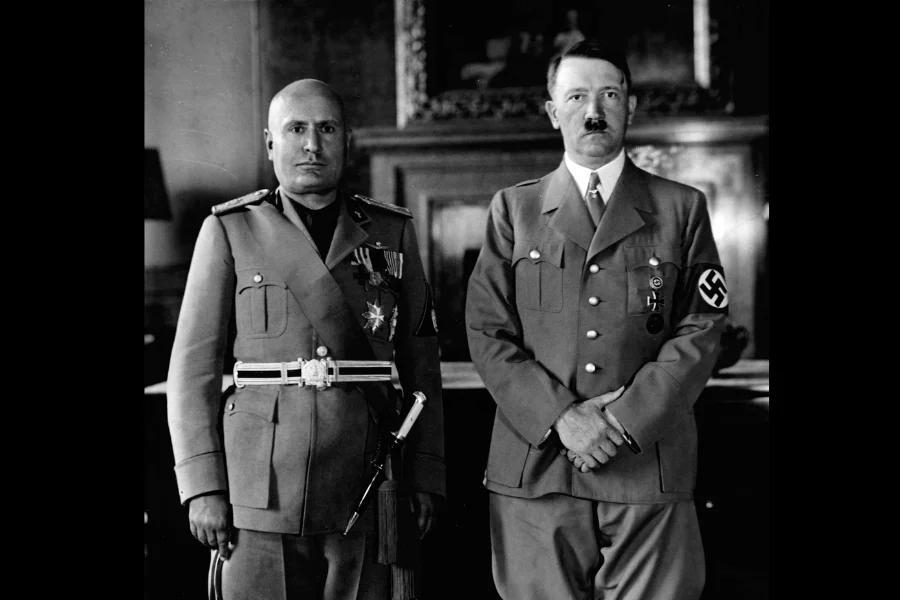
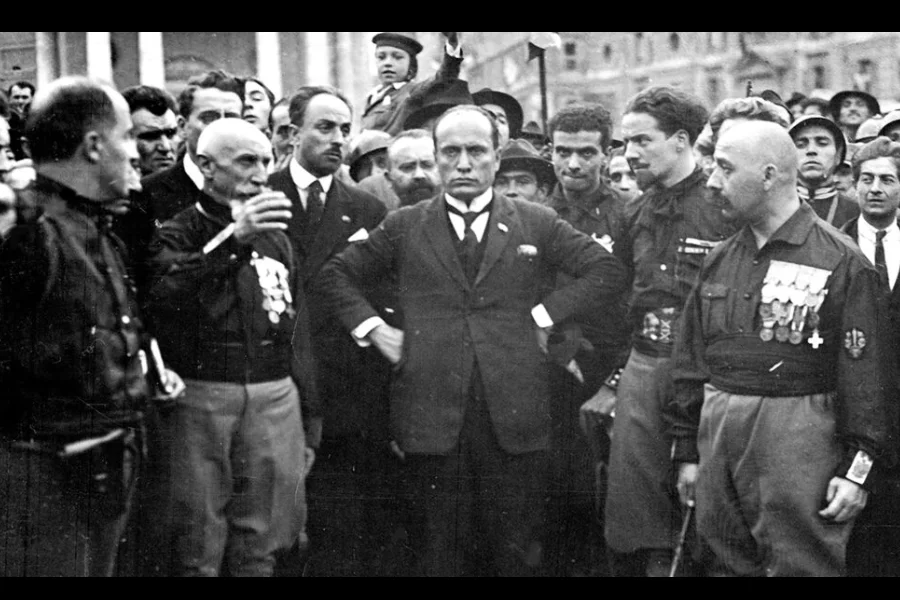
Fascisterne wasn’t just an idea on paper—it was lived reality in several countries during the 20th century. In Italy, Benito Mussolini rose to power after World War I by promising to restore order in a society shaken by economic collapse and political chaos. He projected an image of strength and unity, encouraging Italians to rally around him as the embodiment of the nation’s pride. His speeches and public appearances made people feel part of something bigger, even while personal freedoms were increasingly restricted.
In Germany, Adolf Hitler took the fascist framework further by adding a racial ideology. He blamed Jews and other minorities for the nation’s problems and portrayed Aryan Germans as the superior group destined to rule. This mix of fear, pride, and nationalism helped him gain massive support, especially among people struggling with economic hardship and humiliation after World War I. Hitler’s charisma and propaganda made ordinary citizens feel empowered while simultaneously silencing dissent.
In Spain, Francisco Franco took a slightly different approach. He relied heavily on fear and propaganda to maintain control. Franco censored the press, monitored schools, and eliminated political opponents through imprisonment or execution. Citizens were made aware that loyalty was not optional—it was a requirement for survival. Despite differences in methods, all three leaders shared a common goal: total control of society through ideology, fear, and persuasion.
How Governments Controlled Society: Education, Media, Youth Programs
Fascisterne regimes didn’t leave society untouched—they infiltrated every corner of daily life. Schools became tools for indoctrination. Children were taught to admire authority, glorify the nation, and see the state as more important than individuals. History was rewritten to highlight the leader’s greatness and suppress uncomfortable truths. Classrooms emphasized obedience over independent thinking, ensuring that young people grew up internalizing the regime’s ideology.
Media was another critical tool. Newspapers, radio broadcasts, and films were strictly controlled. Every story reflected the state’s perspective, shaping public opinion and making dissenting views nearly invisible. Citizens were constantly reminded that the government was all-powerful and opponents were dangerous. Propaganda painted the nation as strong, unified, and under constant threat from external or internal enemies.
Youth organizations reinforced these messages. Paramilitary groups, marching clubs, and state-sponsored programs gave young people a sense of purpose, community, and belonging. These programs were fun and social on the surface but carried clear lessons about loyalty, obedience, and the suppression of dissent. By integrating ideology into education, media, and social life, Fascisterne regimes created citizens who unconsciously supported the system.
Use of Violence and Intimidation
Fear was at the heart of Fascisterne power. Opponents—whether politicians, journalists, activists, or ordinary citizens—were routinely threatened, imprisoned, or killed. Secret police and paramilitary forces enforced loyalty through intimidation, making the consequences of disobedience crystal clear. In Germany, the Gestapo kept citizens on edge; in Italy, Mussolini’s Blackshirts patrolled streets and silenced critics. Franco’s Spain was equally strict, with thousands jailed or executed for political dissent.
Violence wasn’t accidental or chaotic—it was deliberate and systematic. It served as a warning to the broader population: compliance was safer than resistance. Citizens learned quickly to follow rules, self-censor, and avoid expressing opinions that could be interpreted as opposition. Even small acts, like gossiping against the state, could result in serious consequences.
The psychological impact was profound. Living under constant threat created a culture of fear that normalized obedience. Citizens became complicit in maintaining the system, not necessarily because they agreed with it, but because survival demanded it. Violence and intimidation were tools to ensure loyalty, suppress independent thought, and maintain the illusion of total societal control.
Global Influence and Legacy
Fascisterne didn’t stay confined to Europe; its ideas and methods spread worldwide. Japan, for example, adopted militaristic nationalism in the 1930s, with leaders promoting expansion and loyalty to the state. In South America, countries like Brazil and Argentina saw authoritarian movements that borrowed from European fascism, emphasizing strict control, nationalism, and the glorification of leaders. Even when the context differed, the underlying patterns were similar: strong leadership, suppression of dissent, and the use of fear to maintain obedience.
The aggressive expansion of fascist states directly contributed to World War II, creating global instability and unprecedented destruction. Millions of lives were lost, economies were shattered, and entire societies were left traumatized. The influence of Fascisterne movements wasn’t just local; it reshaped the world order and left scars that last to this day.
Even after classical fascism fell in the mid-20th century, its legacy persisted. Some modern movements use softer terms, such as “patriotism,” “national renewal,” or “strong leadership,” to disguise authoritarian tendencies. They may avoid overt violence but still promote intolerance, suppress opposition, and manipulate public opinion. By understanding these historical patterns, you can spot the early warning signs before dangerous ideologies gain momentum.
Signs of Fascisterne Today
Modern Fascisterne-like movements don’t always label themselves as fascist, but they often share recognizable traits. Extreme nationalism, where the nation is seen as superior to all others, is one common sign. Leaders may dismiss democratic institutions, attack the press, or frame opposition groups as enemies of the people. Social media and manipulated news amplify these messages, creating fear, division, and mistrust.
Disinformation campaigns are particularly effective. By repeating simple, emotionally charged messages, these groups can make large populations believe distorted or false narratives. They often rebrand harsh ideologies as “patriotism” or “national revival,” which masks their intent. This subtlety makes it easy for citizens to accept ideas without realizing the authoritarian undertones.
Watching for patterns is more important than focusing on labels. Fear-mongering, demonization of minorities, glorification of strong leaders, and suppression of critical voices are recurring tactics. They are the same strategies used by Mussolini, Hitler, and Franco, just adapted to modern tools and technology. Being able to recognize these tactics early is essential to prevent history from repeating itself.
How to Recognize and Resist
You are not powerless against Fascisterne influence. Awareness, education, and action make a real difference. Learning history accurately—beyond propaganda or simplified narratives—helps you see how authoritarian movements operate and the consequences they bring. Recognizing early warning signs, like censorship, misinformation, and fear-based messaging, is the first step in resisting manipulation.
Critical thinking is essential. Question the information you see online and offline. Verify sources, fact-check stories, and consider multiple perspectives before accepting claims as truth. Small habits, like pausing before sharing news on social media, can prevent the spread of disinformation.
Civic engagement is another powerful tool. Voting, speaking up in your community, supporting free press, and holding leaders accountable are ways to ensure that democracy stays strong. Collective action amplifies individual efforts and creates resistance to authoritarianism. On a global scale, cooperation with allies and international organizations can discourage extremist movements and promote peace.
Even everyday discussions count. Talking to friends, family, and colleagues about history, politics, and media literacy helps build a culture of awareness. Resistance isn’t abstract—it’s made up of practical choices that add up over time.
Lessons from History
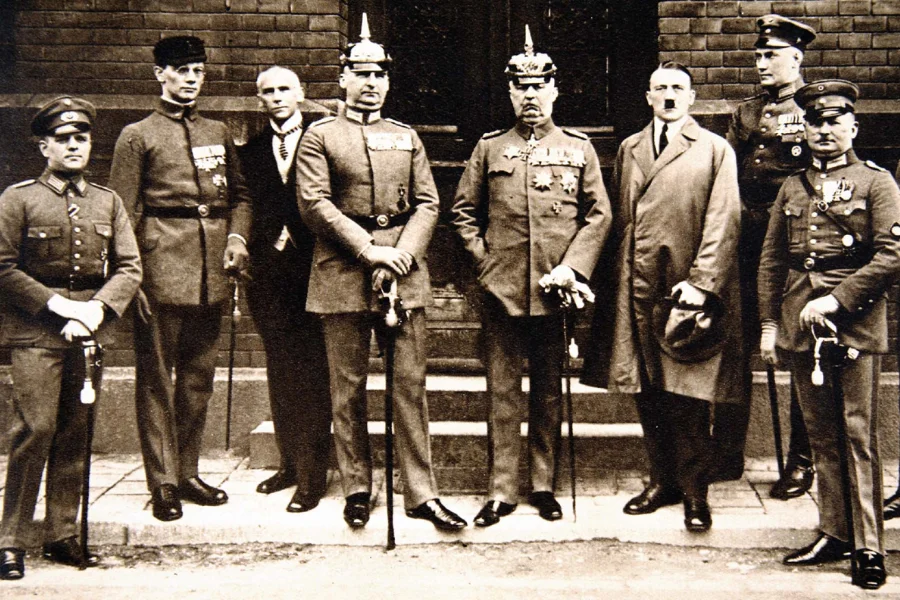
History offers clear warnings about what happens when Fascisterne movements go unchecked. Totalitarian regimes in Europe caused immense human suffering, destroyed democracies, and left lasting scars. Millions of lives were lost due to war, genocide, and systematic oppression. These events are not distant memories—they are lessons about how fragile freedom can be.
Ignoring early signs of authoritarianism can have deadly consequences. When people stop questioning leaders, allow censorship, or accept discrimination against minorities, society drifts closer to oppression. Democracies require constant effort to protect, and historical patterns show that complacency can lead to repetition of past mistakes.
To safeguard freedom today, societies need active safeguards. Independent media, accurate education, civic participation, and community engagement act as shields against extremism. Promoting critical thinking, open dialogue, and accountability ensures that power is checked and that authoritarian tendencies are challenged before they become destructive.
History also reminds us that ordinary people matter. Resistance doesn’t require heroics—it requires awareness, vigilance, and everyday actions. By learning from the past, we gain tools to prevent injustice and uphold human rights.
Final Words
Fascisterne isn’t just history—it’s a warning about power, fear, and control. The term describes people who support authoritarian systems built on extreme nationalism, obedience, and loyalty to a single leader. Leaders like Mussolini, Hitler, and Franco used censorship, propaganda, and violence to silence opponents, glorify power, and shape every part of daily life. They offered stability and identity to people living through chaos, while fear and uncertainty kept citizens compliant. Schools, media, and youth programs reinforced loyalty, and paramilitary groups intimidated anyone who resisted.
Even after classical fascism fell, its patterns persist. Modern movements may disguise themselves as “patriotism” or “national renewal,” spreading misinformation, demonizing opponents, and glorifying leaders. Recognizing these signs—fear-mongering, suppression of dissent, and extreme nationalism—is essential. You can resist through education, critical thinking, civic engagement, and discussion. History shows that freedom isn’t automatic; it requires constant effort, vigilance, and small, everyday acts to protect democracy and prevent authoritarianism from taking hold again.
For more clear and honest insights, keep reading Standard Magazine.