Leila Nathoo Biography and What We Know About Her Background Today
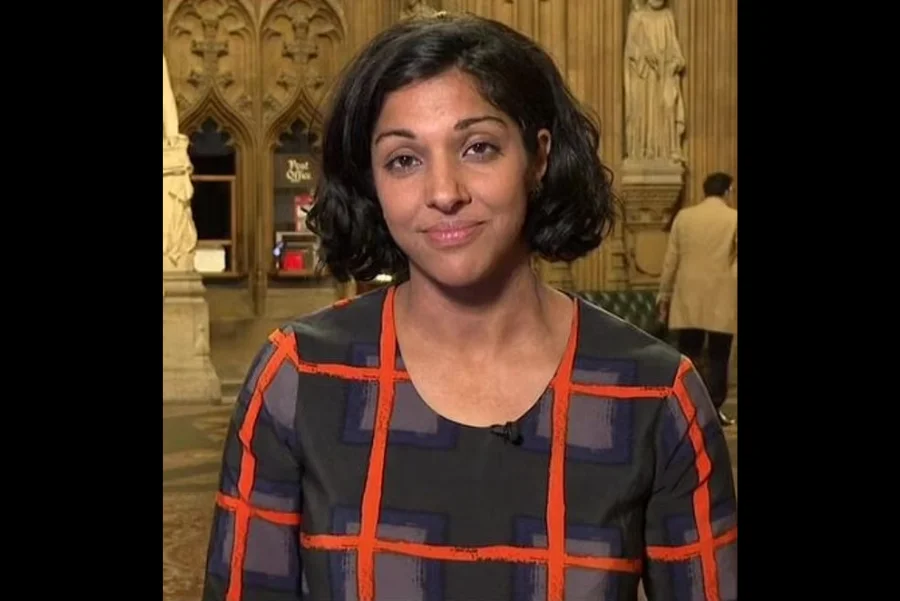
Leila Nathoo is a British political correspondent known for her work with BBC News. She reports on major political events from Westminster. Her coverage helps viewers understand UK politics in simple terms. She is widely respected for clear and calm reporting.
Over the years, she has become a familiar face in political journalism. Her work focuses on government decisions, elections, and parliamentary updates. She explains complex issues in a way that is easy to follow. This has made her a trusted voice for many viewers.
Leila Nathoo keeps a low public profile. She rarely shares personal details. Most of what is known about her comes from her professional work. This has also increased public curiosity about her background and origin.
She represents a modern journalist who focuses on facts. Her reporting style is neutral and balanced. Many viewers appreciate her ability to stay composed during fast-moving news events.
Quick Bio of Leila Nathoo
| Field | Details |
|---|---|
| Full Name | Leila Nathoo |
| Profession | Political Correspondent |
| Known For | BBC News political reporting from Westminster |
| Nationality | British |
| Workplace | BBC News (UK) |
| Field of Work | Political journalism, news reporting |
| Reporting Focus | UK politics, government, Parliament, elections |
| Public Profile | Private personal life, professional-focused identity |
| Ethnicity / Heritage | Not officially confirmed publicly |
| Birthplace | Not publicly disclosed |
| Personal Life | Kept private |
| Years Active | Not publicly specified |
Why people search for her origin
People often search for Leila Nathoo’s origin because they want context. Viewers feel more connected when they understand a journalist’s background. This curiosity grows when someone appears regularly on national television.
Her name also adds to the interest. It sounds culturally rich and uncommon. Many readers try to understand where it comes from. This naturally leads to searches about her heritage and family background.
Another reason is representation. Audiences in the UK media space are diverse. People want to know how journalists reflect that diversity. This increases attention on her cultural identity.
There is also general curiosity about public figures. When someone appears often on BBC News, people want to know more. Even small details about origin become topics of interest.
What is publicly known about her
Publicly available information about Leila Nathoo is limited. She is known to be British and based in the United Kingdom. She works as a political correspondent for BBC News.
Her professional background is well documented. However, her personal life is not widely shared. Details such as exact birthplace, family background, or private history are not confirmed in public records.
This makes her different from many media personalities. She focuses on reporting rather than personal publicity. Most biographies about her rely on professional achievements instead of personal details.
What is clear is her role in journalism. She is part of the BBC’s political reporting team. She covers important political developments and national events.
What “Origin” Really Means in Her Case

When people ask about Leila Nathoo’s origin, they often expect a simple answer. But origin is not always one clear fact. In modern biographies, it can mean different things. It may refer to birthplace, heritage, or cultural background.
In her case, origin is better understood as context. It includes where she was raised, the culture she belongs to, and her family background. These layers are more meaningful than a single location on a map.
Leila Nathoo’s public identity is strongly connected to the UK. Her work and career are based in British media. This shapes how people perceive her origin today.
At the same time, her name suggests deeper cultural roots. This adds another layer to her identity. It reflects how modern identities are often shaped by multiple influences.
Why origin is more than birthplace
Origin is often misunderstood as just a place of birth. In reality, it includes much more. It can involve family history, cultural traditions, and personal upbringing. Many people grow up in countries different from their ancestral roots. This creates blended identities. A person may feel connected to more than one place.
In modern biographies, origin also reflects lived experience. Where someone studies, works, and builds their life matters too. These experiences shape identity over time. For public figures like Leila Nathoo, origin is not just geography. It is also about cultural influence and professional environment.
Nationality vs ethnicity vs cultural identity
Nationality refers to legal citizenship. For Leila Nathoo, this is British. It defines her official country affiliation. Ethnicity is different. It relates to ancestral and family roots. This is often linked to long-term heritage and lineage.
Cultural identity is broader. It includes traditions, values, and lifestyle. It is shaped by both family and society. These three elements do not always match. A person can be British by nationality, but have different ethnic roots and mixed cultural influences.
Why public figures often have limited personal data
Public figures do not always share personal details. This is often a conscious choice. Privacy helps them maintain control over their personal lives. Journalists, in particular, focus on work rather than self-promotion. Their role is to report news, not become the subject of it.
Another reason is safety and boundaries. Keeping personal information private reduces unwanted attention. It also helps maintain professional focus. Leila Nathoo is an example of this approach. Most of what is known about her comes from her reporting work. Personal details remain limited and respectful boundaries are maintained.
What We Know About Leila Nathoo’s Background
Leila Nathoo is known as a British journalist working in political reporting. Her career is based in the United Kingdom, where she covers major political developments. This forms the most confirmed part of her background.
She is associated with BBC News, one of the most respected news organizations. Her role places her at the center of UK political coverage. This gives her strong visibility in public life.
Beyond her professional identity, her personal background remains private. This includes details about her early family life and upbringing. Public sources focus mainly on her career achievements.
Her background reflects a modern media professional. She is seen through her work rather than personal history. This makes her biography more career-focused than personal.
British upbringing and public identity
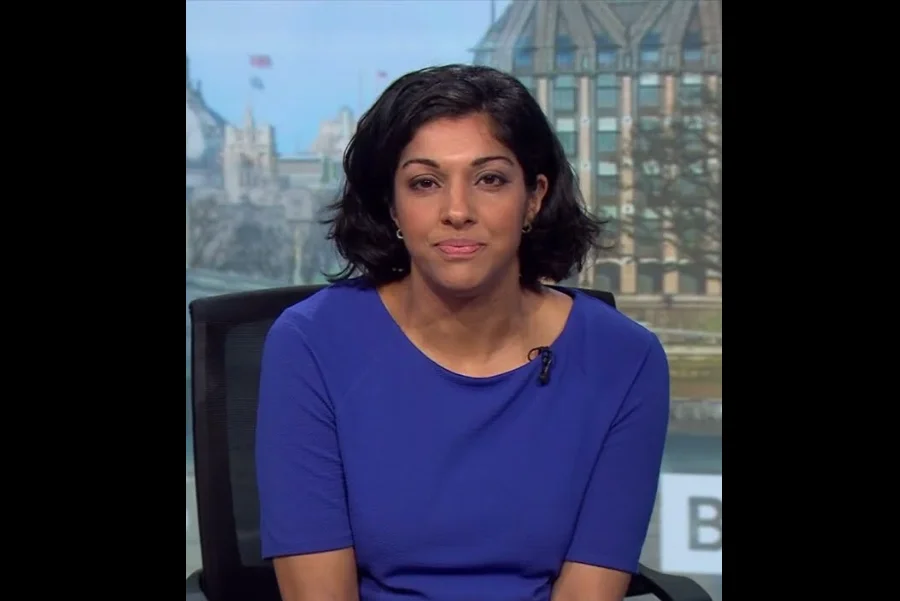
Leila Nathoo is widely identified as British. Her career and public presence are based in the UK. This shapes how audiences see her. Her reporting focuses on British politics. This strengthens her connection to national identity. It also reinforces her role in UK media. Even without detailed personal history, her public identity is clear. She is part of British journalism and political reporting.
Why exact birthplace details are not confirmed
Exact birthplace information about Leila Nathoo is not publicly confirmed. This is common for journalists and media professionals. Many choose not to share personal data. It helps them maintain privacy and focus on professional work. There is no verified public record detailing her birthplace. Any assumptions online are not officially supported.
Respecting privacy in public biographies
Respecting privacy is important in modern journalism. Not all details need to be public. Public figures often share their work, not their private life. This creates a healthy boundary. Biographies should focus on verified facts. Speculation can lead to misinformation. Leila Nathoo’s case shows why careful writing matters. Her professional work is the most reliable source of information.
The Meaning Behind the Name “Leila Nathoo”
Names often carry history, culture, and migration stories. In the case of Leila Nathoo, her name draws attention because it feels both familiar and distinctive. It reflects how modern identities are shaped by different cultural influences.
Her full name is widely recognized through her work in British journalism. While she is known professionally for political reporting, her name itself often becomes the starting point for public curiosity about her background.
Understanding her name does not give exact biographical answers. However, it does offer context. It helps explain why many readers try to learn more about her roots and family history. Names can reflect heritage, but they do not define a full identity. In modern biographies, they are just one small piece of a larger story.
Cultural roots of the name “Leila”
The first name “Leila” is used in many cultures. It appears in Middle Eastern, South Asian, and European communities. This wide usage makes it a global name rather than a region-specific one.
In many traditions, the name is associated with poetic meanings. It has been used in literature and storytelling for generations. Because of this, it often carries a sense of beauty and depth.
However, a name alone cannot define nationality or ethnicity. Many families choose names based on sound, meaning, or personal preference. This makes interpretation difficult without confirmed personal information.
For Leila Nathoo, her first name reflects this global naming pattern. It shows how names can travel across cultures and time.
Possible South Asian link in “Nathoo”
The surname “Nathoo” is often linked to South Asian communities. It appears in family lineages connected to regions such as India. In some cases, it is associated with migration histories across different countries.
Many South Asian families moved abroad over the last century. They settled in places like the UK, East Africa, and other regions. This movement created diverse diaspora communities.
Surnames like Nathoo are sometimes connected to these migration patterns. They can reflect long family histories that span multiple countries.
However, without official confirmation, it is not possible to state exact lineage details. It is important to treat surname analysis as context, not fact.
How names reflect migration and heritage
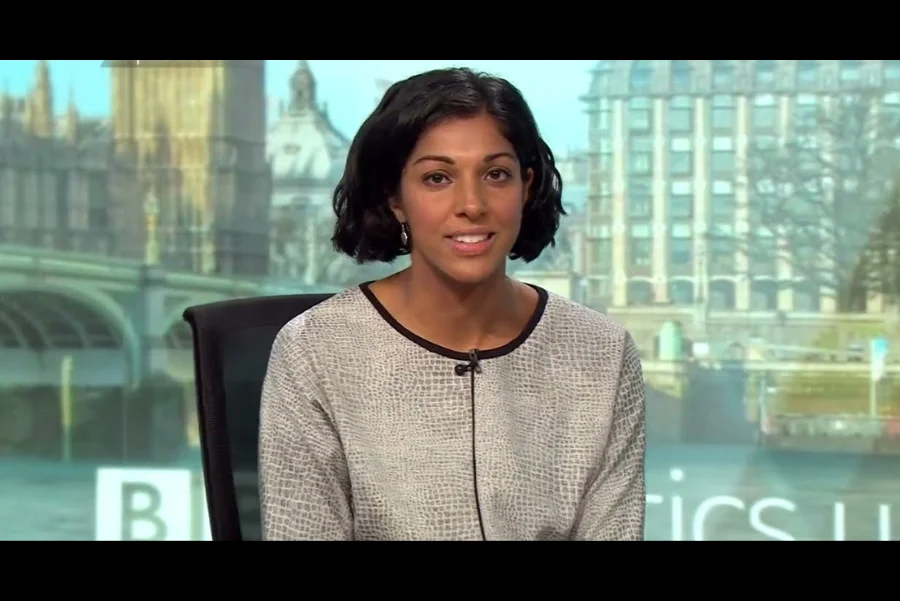
Names often carry hidden stories of movement and change. Families may keep traditional names even after relocating to new countries. This helps preserve cultural memory across generations.
In diaspora communities, names become a link to heritage. They connect people to ancestral history while they build new lives elsewhere.
At the same time, names evolve in meaning. They become part of a mixed cultural identity. This reflects how identity changes over time.
Leila Nathoo’s name represents this broader pattern. It shows how global movement shapes personal identity in subtle ways.
South Asian Heritage and Diaspora Connections
South Asian heritage has played a major role in shaping modern British society. Many families from India and surrounding regions moved to the UK over the past century. This created strong diaspora communities across the country.
In the context of Leila Nathoo’s background, public discussion often connects her surname and identity to this broader migration history. However, it is important to understand this as cultural context rather than confirmed personal biography.
Diaspora identity is not simple. It combines tradition, adaptation, and integration. Families often balance heritage from their ancestors with the culture of their new country.
This mix creates layered identities that are common in modern Britain. It is one of the reasons why public interest in origin stories continues to grow.
Gujarati and Indian migration history (contextual background)
Many South Asian families in the UK have roots in western India, especially Gujarat. Migration increased during the late 19th and 20th centuries. People moved for trade, education, and work opportunities.
Over time, these communities became established in Britain. They built businesses, cultural centers, and families across generations.
This migration history is important when discussing surnames like Nathoo. However, it does not confirm individual family stories. It only provides general cultural context. Understanding this helps explain how diverse British society has become today.
How diaspora families shape identity in the UK
Diaspora families often raise children in multicultural environments. Children grow up learning both home traditions and local culture. This creates a blended identity. In the UK, many families maintain cultural customs while fully participating in British society. Language, food, and values often reflect both worlds.
This dual influence shapes how individuals see themselves. Identity becomes flexible rather than fixed. For professionals in media and journalism, this background can also shape perspective. It helps them understand different communities and viewpoints.
Blended cultural identity in modern Britain
Modern Britain is built on cultural diversity. People from different backgrounds live and work together. This has created layered identities across generations. Blended identity is now very common. Many individuals identify as British while also recognizing ancestral roots. Both parts exist together.
This does not create conflict for most people. Instead, it adds depth to personal identity. It reflects how societies evolve over time. Leila Nathoo’s public identity fits within this wider pattern of modern Britain.
Leila Nathoo’s Career at BBC and Public Identity
Leila Nathoo is best known for her role as a political correspondent at BBC News. Her career is centered around reporting on UK politics. She covers major events from Westminster, where key political decisions are made.
Her reporting is focused on clarity and accuracy. She explains political developments in a way that is easy for viewers to understand. This has helped her build trust with audiences over time.
While many people search for her personal background, her professional identity remains the most visible part of her public life. Her work defines how she is recognized.
This balance between visibility and privacy is common in journalism. It keeps attention on reporting rather than personal life.
Role as a political correspondent
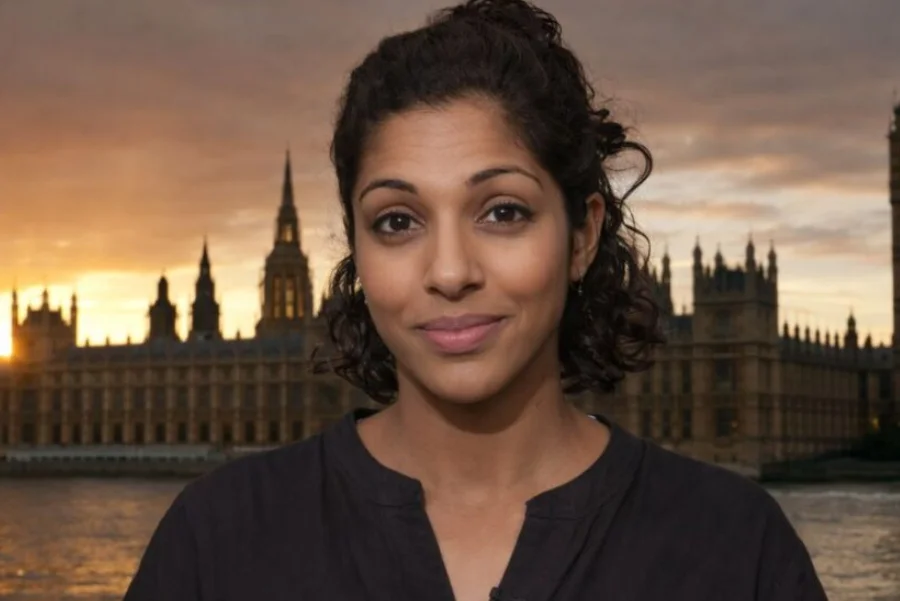
As a political correspondent, Leila Nathoo reports on government decisions and parliamentary activity. She follows political debates and breaking news closely. Her job involves explaining complex issues in simple language. This helps the public understand what is happening in politics.
She often reports during fast-moving events. This requires clear thinking and calm communication under pressure. Her role is important in shaping public understanding of UK politics.
Why her journalism overshadows personal details
Leila Nathoo is primarily known for her reporting work. Her journalism is what audiences see regularly on television and digital platforms. Because of this, her personal life receives less attention. This is common among political journalists.
Her professional role keeps focus on public information. It reduces the need for personal exposure. As a result, her career becomes the main source of public recognition.
Public visibility vs private life balance
Balancing public work and private life is important in journalism. Many reporters choose to keep personal details private. This helps maintain professionalism and personal boundaries. It also reduces unnecessary attention outside of work.
Leila Nathoo follows this approach. Her public visibility comes through her reporting only. This separation allows her to focus fully on her career.
| Area | Description |
|---|---|
| Political Reporting | Covers UK government and Parliament |
| Breaking News Coverage | Reports on fast-moving political events |
| Election Coverage | Explains election updates and results |
| Policy Reporting | Breaks down government decisions |
| Public Communication | Makes complex politics easy to understand |
Why Her Personal Life and Origin Stay Private
Leila Nathoo’s personal life is not widely shared in public sources. This is a clear and consistent pattern across her biography. Most available information focuses on her journalism work, not her private background. This level of privacy is common among journalists. Especially those working in political reporting. Their role is to share news, not become the story themselves.
In her case, this separation is very clear. Public attention stays on her reporting from Westminster. Personal details remain outside media focus. This approach helps maintain professionalism. It also protects her personal boundaries in a very public industry.
Media privacy norms for journalists
Journalists often keep their personal lives private. This is especially true for political correspondents. Their job requires neutrality and trust. Sharing too much personal information can sometimes distract from reporting. It may also lead to unwanted public attention.
Many media professionals choose to separate work and personal identity. This helps them stay focused on facts and reporting. Leila Nathoo follows this common media practice. Her work remains the public focus.
Why speculation often spreads online
When personal details are limited, speculation often fills the gap. Online platforms can amplify guesses or unverified claims. This happens frequently with public figures. Especially those seen on television regularly.
People try to connect available clues like names or appearances. But these assumptions are often inaccurate. Without confirmed sources, such information should not be treated as fact. Reliable biographies depend on verified data only.
How to read biographies responsibly
Reading biographies requires careful attention. Not all online information is verified or accurate. It is important to separate fact from assumption. Professional details are usually reliable. Personal guesses are not.
Good biographies focus on confirmed information. They avoid filling gaps with speculation. In Leila Nathoo’s case, responsible reading means focusing on her journalism career. That is the most accurate source of information.
| Factor | Meaning in Her Case |
|---|---|
| Nationality | British |
| Ethnicity | Not publicly confirmed |
| Cultural Identity | Likely influenced by diverse heritage context |
| Public Information | Focused on journalism career |
| Personal Details | Mostly private |
Why People Are Interested in Her Origin
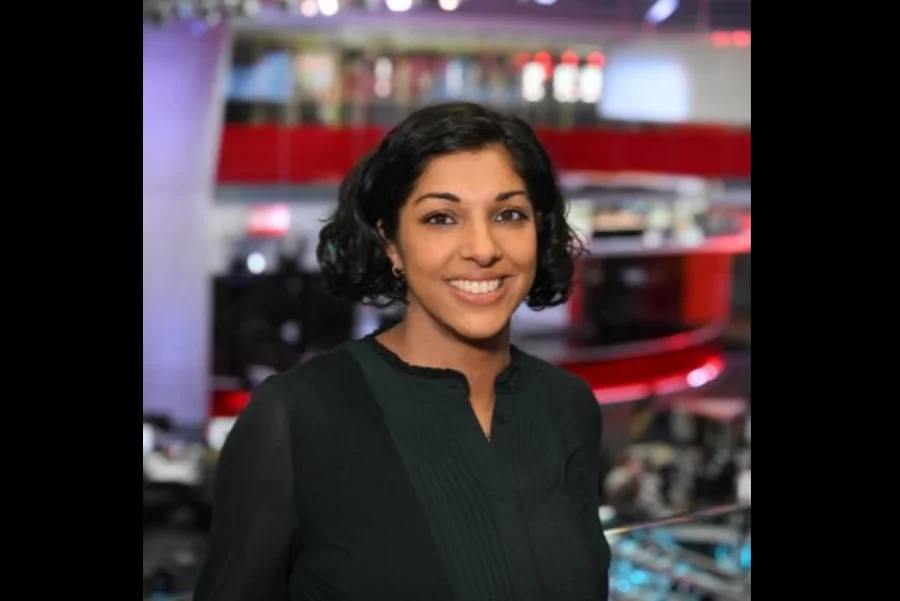
Interest in Leila Nathoo’s origin comes from a mix of curiosity and connection. People often want to understand the background of public figures they see on screen. This is a natural human reaction.
Her regular presence on BBC News increases this curiosity. Viewers feel familiar with her voice and reporting style. This leads them to want more personal context.
At the same time, her name and appearance also spark interest in cultural background. People often try to understand identity through visible or linguistic clues.
However, most of this interest is not about facts alone. It is about connection and representation. People want to see how others relate to wider society.
Curiosity about public figures
People naturally want to know more about public figures. This includes journalists, actors, and presenters. When someone appears frequently in media, they become familiar. Familiarity often leads to questions about background and origin.
This curiosity is not unusual. It is part of how audiences connect with media personalities. However, not all personal details are always shared publicly.
Representation and diversity in UK media
UK media has become more diverse over time. Viewers now see people from many backgrounds on screen. This diversity leads to more interest in identity and origin. People want to understand how representation is reflected in journalism.
Leila Nathoo is part of this visible media diversity. Her presence contributes to this broader change. It also encourages discussions about inclusion and background in media spaces.
What readers are really searching for
When people search for “Leila Nathoo origin,” they are not always looking for a location. Many are looking for context. They want to understand her story, background, and identity. They want to connect her work with her personal journey.
In reality, the answer is often layered. It includes nationality, career, and cultural influence. What readers truly seek is understanding, not just facts.
Related Post: Elizabeth o rourke
Final Words
Leila Nathoo is a British political correspondent working with BBC News. She reports from Westminster on major political events, including government decisions, elections, and parliamentary updates. Her clear and calm reporting style helps viewers easily understand complex political issues. Over time, she has become a trusted voice in UK political journalism.
She keeps her personal life private, and very little is publicly known about her background. This has led to growing interest in her origin and cultural identity. Many viewers search for details about her heritage, but confirmed information remains limited. What is clear is her strong professional presence in British media.
Her name also adds to public curiosity, as it reflects possible cultural roots. However, her identity is best understood through her work rather than speculation. Leila Nathoo represents modern journalism focused on facts, balance, and professionalism.
Read More: Charles Ezekiel Mozes