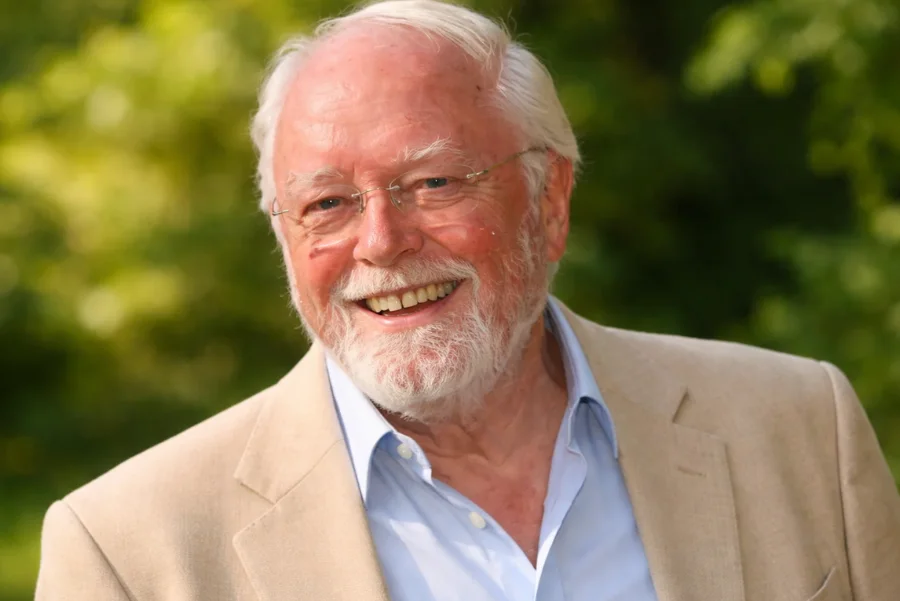
Robert Attenborough Biography: Life, Family, and Academic Career Explained in Detail
Robert Attenborough is best known as the son of David Attenborough, one of the most recognized faces in nature documentaries. This connection often sparks curiosity. People want to know if he followed the same path or chose something different.
His story stands out because he did not enter television. Instead, he built a career in science and academia. While his father became a global figure, Robert stayed mostly out of public view. This contrast makes people even more interested in his life.
Many readers expect a similar career in broadcasting. But Robert Attenborough chose a quieter path. He focused on research, teaching, and studying human populations. His work happens mostly in universities, not on screens.
Another reason for interest is his strong commitment to privacy. Unlike many people from well-known families, he has kept personal details limited. This has created a sense of mystery around him.
His story feels different because it shows another side of success. Not everyone seeks public attention. Some choose impact through knowledge and research.
Quick Bio
| Category | Details |
|---|---|
| Full Name | Robert Attenborough |
| Known As | Biological Anthropologist |
| Date of Birth | August 1951 |
| Age | Early 70s |
| Nationality | British |
| Profession | Academic, Researcher, Anthropologist |
| Famous For | Research in biological anthropology and human population studies |
| Father | David Attenborough |
| Mother | Jane Elizabeth Ebsworth Oriel |
| Sibling | Susan Attenborough |
| Field of Study | Human biology, health, population adaptation |
| Major Workplaces | Australian National University, University of Cambridge |
| Research Focus | Papua New Guinea populations, health, nutrition, environment |
| Public Presence | Very low / Private academic life |
Who Is Robert Attenborough? (Quick Facts)
Robert Attenborough is a British biological anthropologist. He was born in August 1951, which makes him in his early seventies. His work focuses on understanding human biology, health, and how people adapt to different environments.
He has spent most of his career in academia. He worked for many years at the Australian National University. There, he played a key role in teaching and developing biological anthropology programs. His long career shows steady growth rather than sudden fame.
In addition to his work in Australia, he is also linked with the University of Cambridge. He has served as a Senior Fellow at the McDonald Institute for Archaeological Research. This shows his continued involvement in research even after retirement from full-time teaching.
His main field, biological anthropology, studies how humans evolve and adapt. Robert’s research often focuses on real communities, especially in regions like Papua New Guinea. His work looks at health, nutrition, and population changes over time.
Although he is not widely known to the public, he is respected in academic circles. His contributions come through teaching, research, and supporting students.
Robert Attenborough’s Family and Early Life
Robert Attenborough was born into a well-known British family. His father, David Attenborough, became famous for his work in natural history television. His mother, Jane Elizabeth Ebsworth Oriel, played an important role in maintaining a stable family life.
He grew up alongside his sister, Susan Attenborough. Unlike many families connected to fame, their upbringing was kept private. Their parents made a clear effort to protect them from media attention during childhood.
The Attenborough family valued education and curiosity. Conversations at home often revolved around learning and discovery. This environment likely influenced Robert’s interest in science and research later in life.
Another notable family connection is his uncle, Richard Attenborough. He was a well-known actor and filmmaker. Despite such strong public figures in the family, Robert’s early life remained quiet and grounded.
Growing up in this environment gave him unique exposure to both science and storytelling. However, he chose to follow the academic side rather than media or film. This decision shaped the direction of his entire career.
| Relation | Name | Details |
|---|---|---|
| Father | David Attenborough | Natural historian and broadcaster |
| Mother | Jane Elizabeth Ebsworth Oriel | Private family life supporter |
| Sister | Susan Attenborough | Former school headteacher |
| Uncle | Richard Attenborough | Actor and filmmaker |
His Academic Career and What He Actually Studies
Robert Attenborough built a long and steady career in academia, focusing on teaching and research rather than public recognition. He joined the Australian National University in 1981, at a time when biological anthropology was still a small and developing field there. Instead of joining an established system, he became part of the group that helped shape it from the ground up.
In his early years, he took on important teaching responsibilities. He was not only delivering lectures but also helping define what the subject should include. This meant designing courses, guiding students, and building a structure for future learning. His work required both subject knowledge and long-term planning.
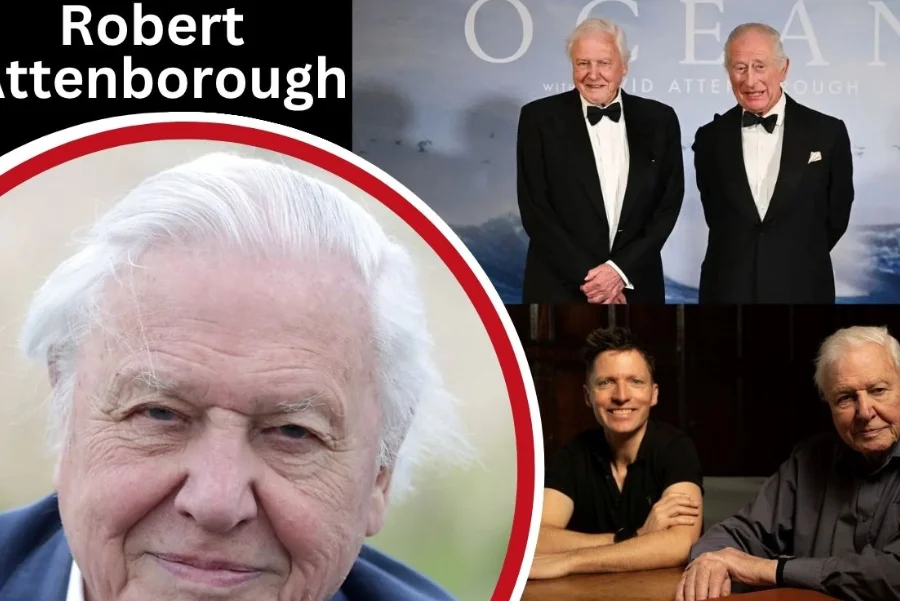
Over the years, he became a senior lecturer in bioanthropology. His role expanded beyond teaching to include supervising research students and contributing to academic planning. He remained at ANU for more than three decades, which shows strong commitment and consistency. After retiring in 2013, he did not step away from academia completely.
He later maintained links with the University of Cambridge. At Cambridge, he has been associated with the McDonald Institute for Archaeological Research. This continued involvement reflects his lasting interest in research and academic work.
| Year | Event |
|---|
| 1951 | Born in August (UK) |
| 1981 | Joined Australian National University |
| 1980s | Helped develop biological anthropology courses |
| 1990s–2000s | Senior lecturer in bioanthropology at ANU |
| 2013 | Retired from full-time teaching |
| Post-2013 | Continued academic association with Cambridge |
What His Research Focuses On
Robert Attenborough’s research is rooted in biological anthropology, a field that studies how humans develop and adapt in different environments. His work focuses on real populations rather than theoretical models, which gives it practical value. He looks closely at how biology, environment, and social factors connect.
A major part of his research has taken place in Papua New Guinea. This region offered him the chance to study communities living in unique environmental conditions. He examined how people respond to changes in food supply, health risks, and social structures. These observations help explain how human populations adapt over time.
His research often focuses on health and nutrition. For example, he studied how diet affects population health in changing environments. This kind of work is important for understanding long-term human survival and well-being. It also connects to modern issues like public health and environmental stress.
He also explored how human behavior links with biology. This includes studying how social patterns influence health and development. By combining these areas, his work provides a broader understanding of human life.
His Role in Building Biological Anthropology
At ANU, Robert Attenborough played a key role in developing biological anthropology as a structured field of study. When he joined, the subject was still small and lacked a fully developed curriculum. This gave him the opportunity to help shape its direction from an early stage.
He introduced new courses that expanded what students could learn. These included topics like human physiology and the relationship between biology and environment. He also developed courses that explored how human behavior connects with biological processes. These additions made the subject more complete and practical for students.
His work also involved helping to create the Honors School in Biological Anthropology. This was an important step because it allowed students to pursue advanced study in a focused way. It also helped build a stronger academic pathway within the university.
In addition to course design, he supervised many students and guided their research. This mentoring role helped train the next generation of researchers. His influence can still be seen through the programs and teaching structures he helped establish.
A Career Away From Fame: Why He Chose a Different Path
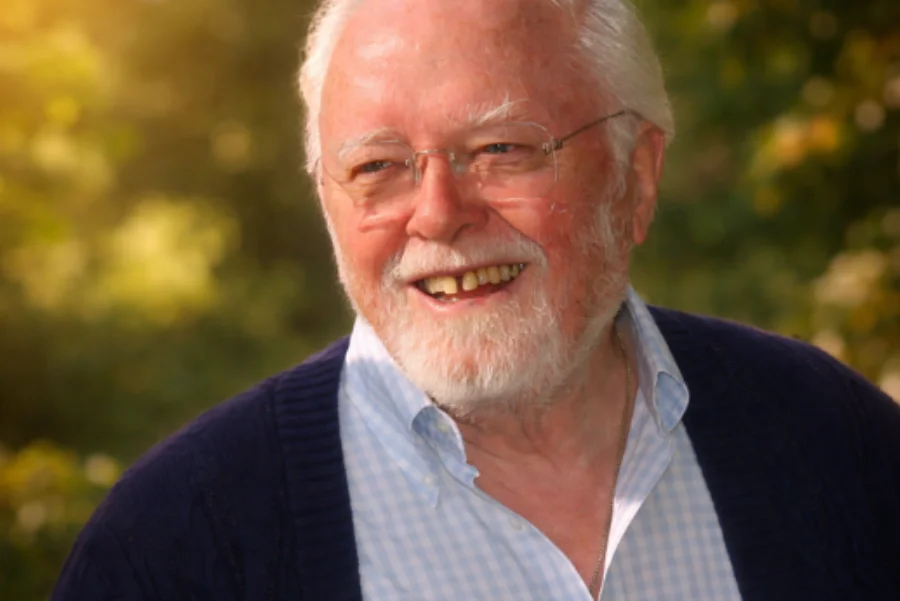
Robert Attenborough’s career looks very different from his father’s. David Attenborough became known worldwide through television. Robert, on the other hand, stayed within universities and research.
This difference was likely a personal choice. Growing up around fame may have shown him both its benefits and its challenges. Instead of following the same path, he focused on science and education.
Choosing academia means working behind the scenes. There are no large audiences or public recognition. Progress comes through research papers, teaching, and long-term projects. Robert seemed comfortable with this kind of work.
His idea of success appears different from public figures. It is based on knowledge, contribution, and influence within a field. His impact is seen in students he taught and programs he helped build.
This path also allowed him to maintain privacy. While his father’s life was public, Robert kept his personal and professional life more controlled. This balance helped him focus fully on his work.
How His Work Matters in the Real World
Robert Attenborough’s research may seem academic, but it has real-world value. His work helps us understand how people live in different environments. This includes how health, diet, and surroundings affect human populations.
For example, his studies in Papua New Guinea look at how communities respond to change. These changes can include shifts in food supply, climate, or social structure. By studying these patterns, researchers can better understand human health risks.
His work also connects to global issues. Topics like nutrition, population growth, and environmental stress are important today. His research adds useful insights into these areas, even if it is not widely known outside academic circles.
Another key impact is through teaching. Over many years, he trained students who went on to work in research and related fields. This means his influence continues through others.
A simple way to see his impact is this:
- He studies real communities
- He tracks changes in health and lifestyle
- His findings help explain human adaptation
This kind of work supports better understanding of human biology in changing conditions.
His Private Life and Low Public Profile
Robert Attenborough has kept his personal life very private. Unlike many people from well-known families, he rarely appears in interviews or public media. This has made reliable personal details quite limited.
One reason for this privacy likely comes from his upbringing. His parents, including David Attenborough, valued a quiet family life. Even during his father’s rise to fame, the family stayed out of constant media attention. This approach shaped Robert’s own habits later in life.
There is little confirmed information about his relationships or children. He has chosen not to share these details publicly. This is different from many public figures today, who often share personal updates online or in interviews.
His focus has remained on academic work rather than public image. Most available information about him comes from university profiles or research records. This shows a clear boundary between his professional life and personal space.
His low public profile also adds to the curiosity around him. People often expect more visibility due to his family name. Instead, they find a person who prefers a quiet and focused life.
Teaching Style and Impact on Students
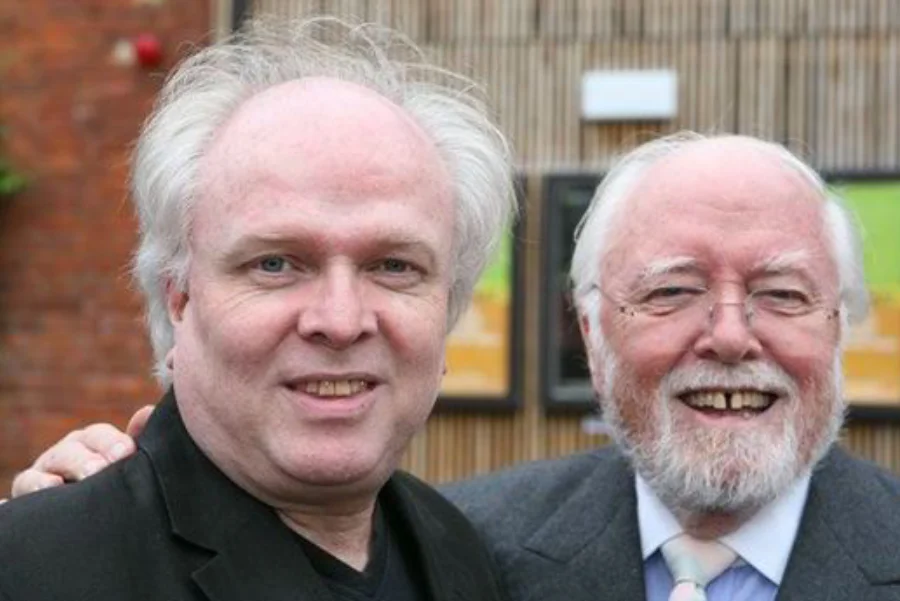
Robert Attenborough was known for a practical and grounded approach to teaching. Instead of focusing only on theory, he encouraged students to connect ideas with real-world situations. His background in field research allowed him to bring real examples into the classroom, which made complex topics easier to understand.
He taught subjects like human variation and the relationship between biology and environment. These topics can be difficult for beginners. However, his teaching style focused on clarity and step-by-step explanation. Students were encouraged to think critically rather than just memorize facts. This helped them build a deeper understanding of biological anthropology.
As a mentor, he played an important role in guiding students through research. He supervised many honors students during his time at the Australian National University. This involved helping them design studies, analyze data, and complete their academic projects. His guidance often shaped how students approached research in their later careers.
His long academic career means his influence spread across generations of students. Many of those students later moved into research, teaching, or related fields. While his name may not be widely known outside academia, his impact continues through the people he trained.
Professional Affiliations and Academic Roles
Robert Attenborough held several important academic roles throughout his career. His longest and most significant position was at the Australian National University, where he worked for over 30 years. During this time, he served as a senior lecturer in bioanthropology and contributed to both teaching and program development.
His role at ANU was not limited to lectures. He was involved in curriculum planning, student supervision, and academic decision-making. These responsibilities show that he was part of shaping the direction of the department, not just participating in it.
After his retirement in 2013, he continued his academic involvement. He became associated with the University of Cambridge, particularly through the McDonald Institute for Archaeological Research. This role reflects his ongoing connection to research and scholarship even after leaving full-time teaching.
In addition to university roles, he has also been involved in academic collaboration. His research work often required cooperation with other scholars, especially in field studies. These collaborations helped expand knowledge in areas like human population biology and health.
Challenges of Growing Up in a Famous Family
Growing up as the son of David Attenborough comes with certain expectations. From an early age, Robert Attenborough was connected to a name recognized around the world. This naturally created curiosity about whether he would follow a similar path.
Such a background can bring both opportunities and pressure. On one side, the Attenborough name carries respect and recognition. On the other, it can lead to constant comparisons. For someone choosing a different career path, this can be challenging.
Robert appears to have handled this situation by focusing on his own interests. Instead of entering media or broadcasting, he chose science and academia. This decision allowed him to build his identity based on his own work rather than family expectations.
His quiet lifestyle also helped reduce public pressure. By staying out of the spotlight, he avoided much of the attention that often comes with a famous surname. This allowed him to focus on long-term academic goals without distraction.
Robert Attenborough’s Connection to the Attenborough Legacy
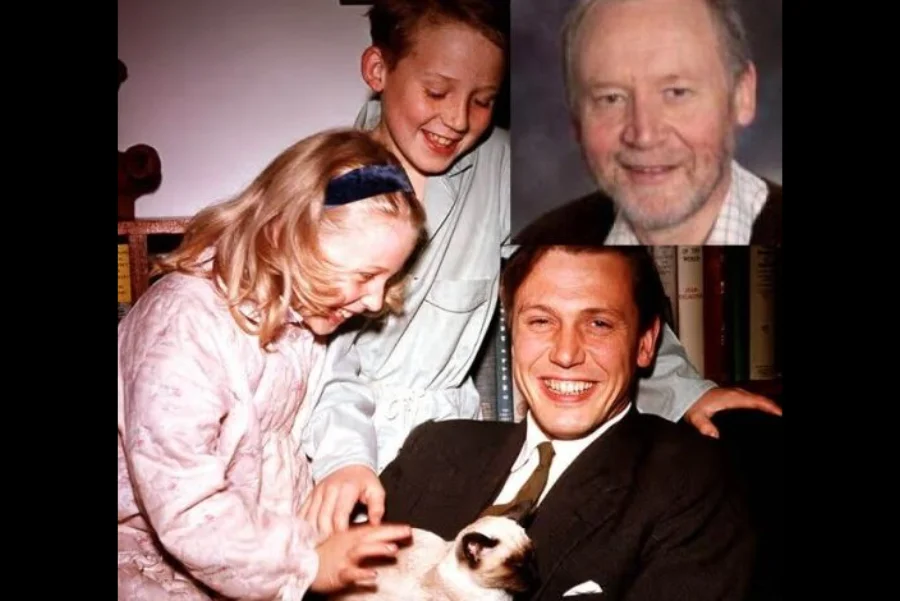
Robert Attenborough is part of a family known for public influence, yet his contribution takes a different form. While David Attenborough became a global figure in broadcasting, Robert focused on academic research and teaching.
| Highlight | Description |
|---|---|
| Academic Career | Over 30 years at ANU |
| Research Area | Human adaptation and population health |
| Field Work | Papua New Guinea studies |
| Teaching Impact | Trained multiple generations of students |
| Legacy | Strong academic contribution, low public profile |
This difference highlights two distinct career paths within the same family. One focused on public education through media, while the other focused on scientific research within universities. Both paths contribute to knowledge, but in very different ways.
Robert’s work connects to the family legacy through its focus on understanding humans and the natural world. While his father explored wildlife and ecosystems, Robert studied human populations and health. In this sense, their work shares a broader theme of understanding life on Earth.
He contributed to the legacy by strengthening academic knowledge rather than public awareness. His role in building biological anthropology programs and guiding students adds a quieter but meaningful dimension to the family’s influence.
Also read: Billie Henry
Final Words
Robert Attenborough is a British biological anthropologist and the son of David Attenborough. While his father became a global figure in nature documentaries, Robert chose a quieter life in academia. He built his career at the Australian National University, where he worked for over three decades teaching and developing biological anthropology. His research focuses on human populations, health, nutrition, and how people adapt to changing environments, especially in Papua New Guinea. After retiring in 2013, he remained connected to academic work through the University of Cambridge.
He is known for his low public profile and strong focus on education rather than fame. Robert helped design courses, supervised students, and contributed to building the biological anthropology program. His work continues to influence students and researchers today. Despite being part of a famous family, he created his own identity in science. His story shows a different kind of success built on knowledge, teaching, and long-term academic contribution.
Related Post: Andrew Millican